Showing 24 Result(s)
Styles and Fashion

Jeju Yeondong Room Paved Way for the Rise of Digital Fashion

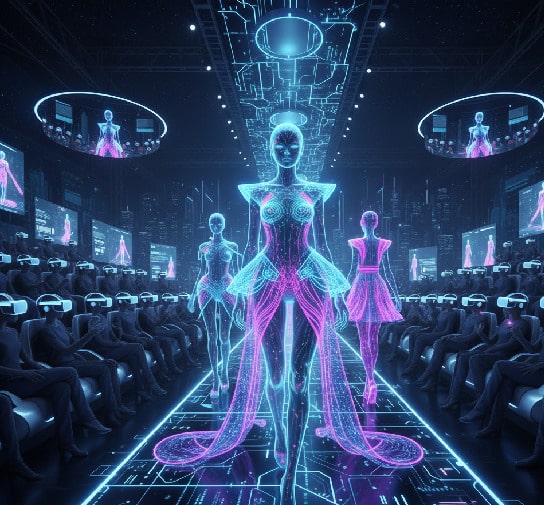
In the heart of Jeju, spaces like the Jeju Yeondong room (제주 연동룸) have long been associated with leisure, social connection, and cultural expression. These venues highlight how lifestyle trends shift with times while still keeping community at their core. In a parallel world, the fashion world is gradually embracing digital revolution, with virtual runways and digital fashion redefining how people engage with clothing.

Birth of Virtual Style

Digital fashion is revolutionizing the industry by eliminating the physical constraints of fabric, stitching, and production. Designers now have the freedom to experiment without limits. Instead of being bound by material costs or manufacturing restrictions, creators can design bold, imaginative pieces that exist entirely in virtual spaces.

These digital outfits can be showcased in the metaverse, shared across social media platforms, or integrated into gaming environments, offering users new ways to express themselves. Beyond creativity, this trend also addresses sustainability by reducing textile waste and lowering the environmental footprint of traditional fashion. As virtual clothing and digital couture continue to rise, self-expression and eco-conscious innovation merge in exciting new ways.

Jeju Yeondong Room takes Lead in Adapting Changing Times

Just as local venues evolve to match the changing preferences of their visitors, the fashion world is adapting to the needs of a digital-first generation. Virtual runways are beginning to replace traditional fashion shows, allowing global audiences to experience new collections without geographical boundaries. 

This transformation democratizes fashion by making high-end showcases accessible to anyone with an internet connection, while also reducing the environmental impact caused by international travel, physical staging, and mass production. As digital fashion events and virtual runways gain traction, the industry is redefining accessibility, sustainability, and inclusivity for a new era of style.

Contribution of Technology in Fashion’s Future

Blockchain technology is transforming digital fashion by ensuring the authenticity and ownership of virtual garments, protecting designers and buyers alike. Each piece can be minted as a unique NFT, giving it verifiable value and preventing counterfeits in the digital marketplace. 

At the same time, augmented reality (AR) apps are enhancing user experiences. People can “try on” clothes virtually before making a purchase. This combination of blockchain and AR highlights how fashion and technology are connected to create a more immersive, secure, and innovative marketplace. 

As digital wearables, NFTs, and AR try-ons continue to expand, the future of fashion is becoming an exciting blend of creativity, personalization, and cutting-edge tech.

Cultural Impact of Digital Clothing

Digital fashion is evolving beyond garments, becoming a powerful tool for shaping identity in online spaces. From customizable avatars in gaming platforms to professional attire in virtual work environments. It is safe to say that clothing now extends far beyond physical presence. 

This shift reflects how culture adapts when offered new platforms for creativity and self-expression. Just as fashion in the physical world tells a story about personality, status, or mood, digital clothing and virtual wearables serve as a canvas for storytelling in the metaverse. In this way, fashion continues to embody individuality and culture. Only difference today is, the runway exists in a fully digital realm.

Fashion, Technology

Where Fashion Meets Tech: Integrated Community Platforms Transforming Office Site Access Nationwide

Fashion and technology are more connected than ever, especially in modern workspaces like those found on platforms such as OPCMD, an integrated platform for Opi sites in South Korea. Opi venues in cities like Gumi, Cheongju, and beyond are seeing a shift, not just in how professionals work, but also in how they present themselves. These changes are supported by integrated digital platforms that coordinate not only logistics but also personal style and wellness services.

Creating a Connected and Stylish Workplace

Today’s professionals expect more than just a cubicle and a calendar invite. Digital platforms now allow employees to know exactly where to go, who they’re meeting, what events are happening, and even what to wear, all from a single interface. Services like OPCMD are expanding their directories to include not only wellness providers but also broader lifestyle recommendations, reflecting this shift in work culture.

Whether you’re heading into a sleek coworking space in New York or a creative studio in Busan, integrated platforms give users instant access to everything from building access to staff directories, event schedules, and even office-appropriate outfit suggestions. This approach removes guesswork, promotes productivity, and fosters a more unified professional environment.

Fashion and Self-Care in the Professional Space

Fashion is no longer just a personal statement; it’s part of a broader conversation around wellness and workplace confidence. In fact, why fashion details matter in professional settings is now getting more attention, especially in digitally connected workplaces where appearance plays a role in communication and self-branding. Platforms like OPCMD are beginning to bridge the gap by highlighting not just massage and body care services, but also office culture insights.

This also extends to self-care. A well-dressed team might schedule group wellness sessions through verified providers listed on OPCMD. It’s a full-circle experience, presenting yourself well, feeling good mentally and physically, and performing better at work.

Community-Led Style Trends

Unlike the rigid dress codes of the past, today’s offices often embrace flexible style rules. Digital platforms allow employees to share photos, comment on trends, and recommend local brands or services. A marketing team might favor bold, expressive pieces, while finance departments may lean toward polished minimalism. The platform aggregates these insights, helping others dress according to both personal style and workplace expectations.

What’s more, some platforms even offer themed calendars so departments can plan coordinated looks for team-building events, presentations, or casual workdays. Through internal messaging, users can vote on outfit themes or even book wellness sessions together, all within the same system.

Nationwide Connection with Local Sensibility

One of OPCMD’s strengths is its ability to localize services while maintaining a consistent experience across cities. A professional in Los Angeles can use the same system as one in Gumi, but receive personalized suggestions, such as breathable fabrics for hot days or cultural fashion recommendations during local holidays.

Local courier and dry-cleaning options, which are especially useful during busy workweeks, are also integrated into the platform. For office managers and HR teams, this means smoother coordination and higher employee satisfaction. For users, it’s a stress-free way to stay stylish and prepared.

Bridging Style, Culture, and Productivity

As more companies embrace a digital work culture, platforms like OPCMD are evolving to meet new demands. They’re no longer just directories, they’re lifestyle hubs. When fashion, wellness, and professional life intersect through smart platforms, the result is a more expressive and connected workplace.

By investing in these integrations, brands and developers aren’t just streamlining logistics. They’re creating meaningful connections where how you feel, how you look, and how you work are all part of a seamless, empowering experience.

Fashion

How Winter RV Gear Principles Define Today’s High Fashion Landscape?

The exclusive world of high fashion operates according to complex cultural codes, social signaling, and artistic expression that often mystify outsiders. Similar to winter RV gear that balances practical protection with aesthetic considerations, high fashion navigates the tension between artistic vision and commercial viability.

Understanding the mechanisms that elevate certain designs to “high fashion” status reveals fascinating insights about cultural values, social hierarchies, and the delicate relationship between exclusivity and accessibility in contemporary consumer culture.

Winter RV Gear Phenomenon in Fashion Circles

Like specialized equipment designed for extreme conditions, high fashion creates distinction through specialized knowledge, technical expertise, and contextual understanding.

High fashion deliberately maintains barriers to entry through pricing, limited production, and controlled distribution channels.

Designer houses typically produce significantly fewer pieces than mass-market brands, creating scarcity that drives desirability. Fashion shows remain invitation-only events despite digital democratization, preserving the industry’s gatekeeper structure. This carefully maintained exclusivity transforms ordinary garments into status symbols and cultural signifiers.

Technical Craftsmanship Considerations

Despite perceptions of impracticality, genuine high fashion involves exceptional craftsmanship. Luxury ateliers employ specialized artisans with skills developed over decades.

Hand-embroidery, custom fabric development, and innovative construction techniques require thousands of hours per garment. This technical excellence justifies premium pricing while preserving traditional crafts that might otherwise disappear in automated production environments.

Artistic Expression and Cultural Commentary

Fashion at its highest levels functions as wearable art and social commentary. Designers reference historical periods, political movements, and cultural shifts through their collections. Runway presentations often incorporate theatrical elements, music, and environmental design to communicate conceptual messages beyond the garments themselves. These artistic dimensions elevate fashion from mere clothing to cultural artifacts worthy of museum exhibitions and academic analysis.

Trickle-Down Fashion Ecosystem

The influence of high fashion extends far beyond its direct consumers. Design elements from exclusive collections gradually filter into accessible price points through diffusion lines, inspired interpretations, and trend adoption. This cyclical process democratizes innovation while maintaining the original designer’s cultural capital.

Understanding this culture reveals how even consumers who never purchase luxury items are nevertheless influenced by decisions made in exclusive Parisian ateliers and Milan design studios.

Fashion

Organizing Your Beauty Essentials: A Fashion Must-Have

beauty organizerA well-organized beauty routine not only saves time but enhances the entire fashion experience. A clutter-free vanity lets you focus on styling and perfecting your look. In fact, the right beauty organizer can be the key to elevating your daily beauty routine while making your space more functional and aesthetically pleasing.

The importance of a beauty organizer goes beyond just arranging your products. It also helps keep your vanity space neat, making finding the right lipstick or foundation easier in seconds. You can explore a range of stylish beauty organizers at the Modrini website (Organisateur de beauté), which fits right into any fashionista’s routine.

Why a Beauty Organizer Complements Your Fashion Routine

Fashion is about expressing individuality and style. This philosophy doesn’t just apply to what you wear but also to how you curate your space and tools for self-expression. A chic beauty organizer doesn’t just store your makeup—it’s an extension of your personal style. Having all your beauty essentials like brushes, palettes, and perfumes neatly arranged ensures that you are ready for any look, from casual chic to glam night out.

Key Benefits of a Beauty Organizer for Fashion Lovers

  • Efficiency: A beauty organizer allows you to keep all your products in one place, reducing the time it takes to get ready. Whether rushing to a meeting or prepping for a night out, having easy access to everything is a game changer.
  • Aesthetic Appeal: Organizers come in various designs and colors to complement your personal style and room décor. It’s not just functional; it adds a touch of elegance to your vanity.
  • Preservation of Products: By keeping your makeup organized, you prevent spills, dust, and damage, which can prolong the life of your favorite beauty items.
  • Saves Space: Most organizers are compact and can fit into small spaces, maximizing storage without taking up too much room.

Choosing the Right Beauty Organizer for Your Fashion Needs

Just like selecting the perfect handbag or accessory, choosing the right beauty organizer requires considering both form and function. Whether you’re someone who prefers a minimalist style or loves vibrant, statement pieces, there’s an organizer that can match your fashion persona.

Features to Look for in a Beauty Organizer:

  • Compartments for Different Products: Having various sections for different beauty items, such as brushes, lipsticks, or skincare products, helps you stay organized.
  • Durability: Look for materials that are stylish and sturdy enough to withstand daily use.
  • Portability: If you’re someone who travels often, a beauty organizer that is easy to carry is a must-have.
  • Size: Consider the size of your collection. If you have an extensive beauty arsenal, opt for a larger organizer, whereas smaller options are ideal for those with a more minimal setup.

Fashion-Forward Organizing: Making Your Beauty Setup Part of Your Décor

A beauty organizer isn’t just about function; it can also be a fashion statement in its own right. Consider how your organizer blends with your room’s aesthetic. A gold-accented organizer, for example, pairs beautifully with a luxurious bedroom, while a sleek black case can add a modern touch.

Tips to Style Your Beauty Organizer:

  • Color Coordination: Match the color of your beauty organizer with your vanity or surrounding décor. Neutral tones are versatile, while bold colors can make your vanity pop.
  • Minimalism vs. Maximalism: Decide if you want your organizer to blend in seamlessly or stand out as a centerpiece. A minimalist design offers simplicity, while more elaborate designs can reflect your vibrant personality.
  • Accessorize Your Vanity: Add a personal touch by placing some of your favorite fashion accessories, such as sunglasses or jewelry, next to your beauty organizer for a cohesive look.

Incorporating Beauty Organizers Into Your Fashion Routine

When your beauty tools are organized, it frees up time and mental space, allowing you to focus on putting together your perfect outfit. Having your products within easy reach allows you to experiment with different looks effortlessly. Whether preparing for a workday or a special event, a well-organized beauty setup streamlines your fashion routine, ensuring you never miss a style beat.

How to Get Started:

  1. Declutter: Start by going through your beauty products and getting rid of anything that’s expired or unused. This will give you a clear view of what you need to store.
  2. Organize by Category: Group similar items together—lipsticks in one compartment, brushes in another. This will make it easy to find what you need quickly.
  3. Update Regularly: Like fashion, your beauty collection changes over time. Make sure to regularly review and update your organizer to reflect your current beauty needs.

The Fashion-Beauty Connection

Fashion and beauty are intertwined, and the tools you use to prepare for the day are as much a part of your fashion world as your clothes. From a well-organized vanity to the perfect outfit, every detail counts. Your beauty organizer isn’t just about tidiness—it’s about enhancing your overall style and expressing yourself.

Fashion is more than what you wear—it’s how you present yourself to the world. You’re always prepared to step out in style by keeping your beauty routine organized.

READ ALSO: 15 Best Makeup Advice for Fashion Models

Conclusion

A beauty organizer isn’t just a practical tool—it’s a fashion statement that complements your daily routine. It brings order, efficiency, and style to your beauty space, ensuring you’re always ready to shine. From organizing your products to enhancing the look of your vanity, investing in a beauty organizer can transform both your beauty routine and your space.

Explore a variety of beautiful and functional beauty organizers that reflect your personal style at Modrini.

Creativity, Fashion, Fashion and Cars, Styles and Fashion, Travel

A Fusion of Fashion and Vintage Trailer Repair

Fashion isn’t just about what we wear. It’s a reflection of our personalities, interests, and lifestyles. Similarly, vintage trailers have become more than just vehicles; they are symbols of a nostalgic, adventurous spirit. The merging of fashion and vintage trailer repair is an exciting trend that highlights creativity, sustainability, and a love for all things retro.

Fashion in the World of Vintage Trailers

Vintage trailers, with their timeless charm, have gained popularity in recent years. They evoke memories of simpler times and the open road. Many enthusiasts take pride in restoring these classic beauties, ensuring that they remain functional and stylish. Fashion plays a significant role in this process. Just as in clothing, style choices for trailers are crucial in creating a cohesive and attractive look.

When repairing and renovating vintage trailers, attention to detail is key. The exterior paint, interior decor, and accessories must blend seamlessly to capture the essence of a particular era. For instance, a 1950s trailer might feature bold colors, chrome finishes, and checkered flooring. These elements are carefully chosen to reflect the fashion trends of that time.

The Role of Sustainable Fashion

Sustainability is a common thread linking fashion and vintage trailer repair. In fashion, there is a growing emphasis on sustainable practices, such as using eco-friendly materials and upcycling old garments. Similarly, vintage trailer enthusiasts often reuse and repurpose materials to restore their trailers. This not only preserves the history of these vehicles but also reduces waste.

Using reclaimed wood for cabinetry, vintage fabrics for upholstery, and salvaged hardware for fixtures are some ways to incorporate sustainability into trailer repair. These practices not only save money but also contribute to a more eco-friendly lifestyle. The result is a unique, personalized trailer that stands out while minimizing environmental impact.

Creating a Vintage Aesthetic

Creating a vintage aesthetic requires an understanding of past trends and a keen eye for detail. Fashion designers and vintage trailer restorers share a passion for nostalgia and an appreciation for craftsmanship. They often draw inspiration from the same sources, such as old magazines, movies, and photographs.

Incorporating vintage fashion elements into trailer interiors can be fun and rewarding. Consider using retro patterns for curtains, cushions, and bedding. Vintage kitchenware, like colorful Pyrex dishes and old-fashioned appliances, can add an authentic touch. Even small details, like period-appropriate light fixtures and artwork, can make a big difference.

Fashion

Floral Runway: Fashion Shows Blossoming with Flower-Inspired Designs

flowers and fashion shows

Fashion and nature have long danced in a harmonious duet, creating collections that are not just garments but artistic expressions. In the ever-evolving landscape of high fashion, designers are turning to the vibrant and delicate world of flowers for inspiration. From the runways of Paris to the streets of Milan, flowers Dubai (цветы дубай) and floral-inspired designs are taking center stage, captivating audiences with their beauty and creativity.

Petals on the Catwalk

Fashion shows are more than just a display of clothing; they are theatrical performances where designers showcase their vision for the season. In recent years, there has been a noticeable trend towards incorporating floral motifs into these runway spectacles. Imagine a model striding down the catwalk, adorned in a dress that seems to bloom with the grace of a spring garden. Petals cascade down skirts, and delicate floral patterns adorn luxurious fabrics, creating a visual feast for the audience.

The Language of Flowers

Each bloom carries its own symbolism, and designers are weaving these meanings into their creations. Roses, known for love and passion, find their way onto gowns, while lilies, a symbol of purity, grace the hems of skirts. This infusion of meaning adds depth to the fashion narrative, allowing the audience to connect with the garments on a more profound level. Fashion becomes a language of flowers, with each ensemble telling a unique story.

From Runway to Doorstep: Flower Delivery in High Fashion

As the floral trend blossoms on the runways, there’s a unique opportunity for fashion enthusiasts to bring this beauty into their daily lives. Flower delivery services are becoming the bridge between high fashion and personal style. Imagine receiving a bouquet inspired by the latest runway designs, bringing the elegance and artistry of the fashion world straight to your doorstep.

  • Fresh Blooms, Fresh Style: Flower delivery allows individuals to infuse their living spaces with the same freshness and vibrancy seen on the catwalks. It’s not just about wearing fashion; it’s about living it.
  • Seasonal Statements: Just as fashion collections evolve with the seasons, so do floral arrangements. Embrace the ever-changing beauty of nature with seasonal bouquets that mirror the latest trends.
  • Gifts of Glamour: Whether for a special occasion or a gesture of appreciation, a flower delivery inspired by high-fashion blooms makes for a unique and thoughtful gift. It’s a way to share the magic of the runway with someone special.

The Power of Collaboration

Designers are not working in isolation; they are collaborating with florists to bring their visions to life. These partnerships extend the influence of fashion beyond clothing and into the world of botanical artistry. Florists, armed with an understanding of design and aesthetics, transform flowers into living masterpieces that echo the elegance seen on the runways.

Sustainability in Full Bloom

In this era of heightened awareness about environmental impact, the fashion industry is making strides towards sustainability. Floral-inspired designs are no exception. Designers are increasingly mindful of their material choices, opting for eco-friendly fabrics and embracing sustainable practices. This shift aligns fashion with the natural world, emphasizing the delicate balance between creativity and responsibility.

READ ALSO: From Kawaii Room Décor To Fashion – Kawaii Aesthetic Is 50+ Shades Of Cuteness Overload

Conclusion: A Blooming Affair

The marriage of fashion and flowers is a captivating affair that transcends traditional boundaries. From the runway to your doorstep, the influence of florals is leaving an indelible mark on the world of high fashion. As you navigate the ever-changing landscape of trends, consider embracing the beauty of blooms not just in your wardrobe but in your living space. Let flower delivery services be the conduit that brings the magic of the runway to your everyday life.

Fashion

Styling Success: How Fashion Elevates Your Social Media Follower Count

Fashion Instagram Buy Followers

The world of fashion and social media have become inextricably linked. Your choice of attire can play a significant role in not only how you present yourself online but also in how many social media followers you can attract. This article explores the fascinating connection between fashion and social media success, offering tips on how to use your sense of style to boost your follower count while also emphasizing the importance of authenticity. Please note that buying followers on Instagram, a practice against the platform’s policies and potentially damaging to your online reputation, is not a recommended approach. Instead, we focus on legitimate strategies to grow your follower count organically.

The Visual Power of Fashion

Social media is an incredibly visual platform. Users scroll through countless images and videos daily, making the visual appeal of your content a key factor in attracting and retaining followers. Fashion, with its ability to convey personality, creativity, and individuality, is a powerful tool for enhancing your online presence.

1. Establishing Your Personal Brand: Fashion is a powerful way to define your personal brand on social media. The clothes you wear can communicate your style, values, and interests, making it easier for like-minded individuals to connect with you.

2. Visual Storytelling: Every outfit tells a story, and social media users are drawn to compelling narratives. By curating a wardrobe that reflects your journey and experiences, you can use fashion to engage and captivate your audience.

3. Creating Eye-Catching Content: Your fashion choices can make your social media content more visually appealing. Whether it’s through vibrant colors, unique accessories, or fashionable settings, your style can help your content stand out in a crowded feed.

The Power of Trends

Following and occasionally setting fashion trends can also contribute to your social media success. Here’s how:

1. Trend-Related Hashtags: Utilizing popular fashion-related hashtags can help you reach a wider audience, especially if your content aligns with current trends.

2. Collaborations: Brands and influencers often seek to collaborate with individuals who embody or promote current fashion trends. By staying on top of these trends, you increase your chances of attracting collaboration opportunities.

3. Trendsetting: If you have a knack for predicting or even setting fashion trends, social media can be a fantastic platform to showcase your style innovations, gaining you attention and followers.

Engaging Your Audience

Fashion can be a conversation starter on social media. Engaging with your audience and building a community can lead to lasting connections and increased followers:

1. Ask for Opinions: Polls and questions about fashion choices can spark conversations and create a sense of community among your followers.

2. Fashion Challenges: Create and participate in fashion-related challenges to engage your audience and encourage them to share their own styles.

3. Style Tips: Sharing tips on how to put together stylish outfits or discussing fashion-related topics can establish you as an authority and a valuable resource, attracting followers interested in your expertise.

Authenticity Matters

While fashion can undoubtedly enhance your social media presence, authenticity should always be at the core of your content. Followers are drawn to real and relatable individuals. Your fashion choices should align with your true style and personality rather than being solely focused on gaining followers. Authenticity builds trust, fosters genuine connections, and can lead to long-lasting social media success.

You might also want to read about Improving your Fashion Website via Optimization & Link Building.

Conclusion

Fashion plays a crucial role in elevating your social media follower count. It’s a tool for expressing yourself, telling your story, and engaging your audience. By using your style to establish a personal brand, embrace trends, and foster authenticity, you can enhance your online presence and attract more followers. So, go ahead and express yourself through fashion, and watch your social media success soar.

Fashion

Guardian Threads: How Fashion Enhances Privacy in Messaging Sites

Fashion Private Message

The importance of online privacy cannot be overstated. As more and more of our personal lives are conducted through messaging sites and social media platforms, ensuring the security of our online interactions has become a paramount concern. While we often think of digital solutions for online privacy, there is an unexpected ally in this battle – fashion. This article explores the innovative ways in which fashion can enhance private messaging sites.

The Growing Importance of Online Privacy

The rise of messaging apps and social media platforms has transformed the way we communicate. With the convenience of instant messaging, we share everything from personal thoughts to sensitive information on these platforms. However, this convenience comes with inherent privacy risks. From data breaches to hacking attempts, our digital conversations are increasingly vulnerable to intrusion.

Fashion as a Privacy Enhancer

Fashion has traditionally been seen as a means of self-expression, but it can also serve as a powerful tool to protect our digital identities. Here are some ways in which fashion enhances privacy in messaging sites:

1. Anti-Paparazzi Clothing

With the advent of high-quality smartphone cameras, it has become easier for unwanted individuals to capture your image in public. Anti-paparazzi clothing, like clothing with reflective threads or patterns that disrupt camera focus, can help maintain your privacy. By wearing such garments, you can reduce the risk of being photographed without your consent and having those images shared online.

2. RFID-Blocking Accessories

Radio-frequency identification (RFID) technology is commonly used in credit cards and passports, making them susceptible to digital pickpocketing. Fashion designers have responded by creating RFID-blocking accessories like wallets, purses, and even clothing. These items can safeguard your sensitive information, ensuring it remains private and secure.

3. Privacy-Enhancing Accessories

Innovative accessories such as scarves and hoods equipped with built-in facial recognition blockers have been developed to thwart facial recognition technology used by social media sites. These accessories work by obscuring key facial features, helping you maintain your anonymity online.

4. Signal-Blocking Fabrics

Researchers have designed fabrics woven with conductive threads that can block electromagnetic signals, including cellular and Wi-Fi signals. When used in clothing, these fabrics can help you disconnect from the digital world, reducing the risk of being tracked through your devices.

The Intersection of Fashion and Technology

The fusion of fashion and technology is an exciting development in the quest for online privacy. As designers continue to explore innovative ways to integrate privacy-enhancing features into everyday clothing, individuals have a new arsenal of tools at their disposal to protect their online identities.

By adopting fashion that enhances privacy, we can reclaim control over our digital presence, safeguard sensitive information, and protect ourselves from unwanted intrusions. These privacy-enhancing fashion solutions demonstrate that style and security can go hand in hand in the modern world of digital communication.

You might also want to read about The Ultimate Guide to Relocating Fashionably: Tips and Tricks for a Stylish Move.

In conclusion, as we navigate the intricacies of online privacy, it’s clear that fashion can be a powerful ally in the battle for secure messaging and social interactions. Whether it’s through anti-paparazzi clothing, RFID-blocking accessories, or signal-blocking fabrics, fashion offers a unique and stylish means of enhancing privacy. As technology continues to evolve, fashion and innovation will join forces to protect our personal information in an increasingly interconnected world.

Fashion

Leveraging Stories and Reels in the Fashion Industry

Where our attention spans are likened to that of a goldfish, capturing and retaining interest is both an art and a challenge. Enter the era of Stories and Reels: transient yet impactful bursts of content that have risen to dominate social media. Within this setting, the fashion industry finds itself uniquely positioned to harness these tools like SMM panel.

Each platform has carved its own niche:

  • Instagram Stories: Originally inspired by Snapchat, Instagram Stories have emerged as an essential tool for brands. They allow for swift updates, a peek behind the glamorous curtain of fashion shows, or collaborations with influencers that can significantly magnify a brand’s reach.
  • Snapchat Stories: Targeting a predominantly younger demographic, Snapchat Stories promote playful, creative content. The platform’s augmented reality filters and tools enable brands to craft interactive campaigns.
  • TikTok: It’s the buzzy platform on everyone’s lips. Short and engaging video content rules here, with its algorithm providing a genuine opportunity for any brand to achieve virality, given the content resonates with users.

The Allure for the Fashion Industry

Fashion thrives on change, allure, and immediacy — aligning perfectly with the fleeting nature of Stories and the compact punch packed by Reels. Immediate broadcasts can offer fans live glimpses into runway shows. This real-time sharing can transform followers into virtual attendees of exclusive events. Brands can unveil fresh collections, leading to pre-launch buzz. Stories can range from polished, editorial-style shots to candid, behind-the-scenes glimpses, all fostering a multi-dimensional brand image.

Narrating the Brand Saga

Behind-the-scenes content provides a genuine, human touch to fashion houses. Witnessing the meticulous craftsmanship in factories or the creative journey of designers can engender respect and deepen customer-brand relationships.

Sales and Discounts: Nothing stirs excitement like an exclusive sale. Brands can instill urgency by using countdowns for limited-time offers, effectively driving quick purchases.

New Collections: Highlighting fresh arrivals ensures followers are always in the know. Quick sneak peeks or elaborate showcases can keep the brand’s offerings top-of-mind.

Collaborations: Influencers remain powerful allies. Allowing them to take over a brand’s stories or reels can lead to fresh content and increased reach. Their followers often trust their recommendations, translating into potential conversions.

Creating Bridges with Interactive Elements

Interactivity fosters engagement. Features like polls can be used for fun engagements or even crowdsourcing opinions on upcoming collections. Questions enable direct interaction, where brands can answer queries or share styling tips. Brands can test followers’ knowledge or provide entertainment with quizzes. And for those with the privilege, swipe-up links are a direct call-to-action, bridging the gap between browsing and purchasing.

On TikTok, brands can craft or hop onto challenges, promoting user-generated content. Tutorials, especially ones offering styling tips or fashion hacks, can garner significant views. Given TikTok’s emphasis on sound, a catchy track can uplift content, making it more shareable.

Assessing the Impact

Beyond vanity metrics like views, deeper engagement parameters should be analyzed. Are followers interacting with polls? Are they swiping up on links or DM-ing queries? Such metrics provide insights into the content’s effectiveness and areas for improvement. Additionally, tracking sales or website traffic spikes post a story or reel can provide tangible ROI metrics.

Challenges and Their Counters

The transient nature of Stories can be a double-edged sword. While they create urgency, there’s also the danger of the content being forgotten. Platforms like Instagram offer ‘Highlights’, ensuring evergreen content remains accessible. The digital space is noisy, with countless brands pushing content. In such a saturated space, authentic storytelling and unique content differentiate brands.

The digital evolution continues to redefine how brands and consumers interact. In this dance of pixels and creativity, Stories and Reels have provided the fashion industry with a dynamic stage. Brands that adapt, innovate, and genuinely engage on these platforms are set to leave lasting imprints in the digital sands of time.

Fashion

Style Meets Science: How Fashion Can Elevate Veterinary Practice

Veterinary Practice Fashion

The world of veterinary medicine is rapidly evolving, not just in terms of medical advancements, but also in its approach to patient care and client relations. In this ever-changing landscape, one unexpected element has emerged as a powerful tool for enhancing the veterinary practice – fashion. While one might not immediately associate fashion with the serious business of animal healthcare, this article explores the profound ways in which style can elevate veterinary practice and benefit both furry patients and their human companions.

The Power of First Impressions

First impressions are crucial in any professional setting, and the veterinary clinic is no exception. When clients and their beloved pets walk through the clinic doors, the overall atmosphere and the appearance of the veterinary team play a pivotal role in shaping their initial perceptions.

Imagine a clinic where the veterinary staff dons sleek, coordinated uniforms that exude professionalism and competence. The use of stylish, well-fitted uniforms can create an immediate sense of trust and confidence among clients. It signals that the clinic takes its role seriously and is committed to providing top-notch care for their pets.

Comfort and Functionality

While fashion is about aesthetics, it should never compromise comfort and functionality, especially in a veterinary setting. Veterinary professionals often find themselves on their feet for extended periods, and their work requires a high level of mobility. This is where modern, well-designed uniforms come into play. The incorporation of innovative materials and ergonomic designs in uniforms can significantly enhance comfort and ease of movement, allowing veterinarians and technicians to focus on what matters most – patient care.

Building a Strong Team Identity

A cohesive team is essential for the efficient functioning of any veterinary practice. Uniforms that are stylish and reflective of the clinic’s brand not only instill a sense of pride among the staff but also create a strong team identity. When team members feel good about what they wear, it can boost morale and foster a sense of unity. This, in turn, leads to better communication and collaboration among the veterinary professionals, ultimately benefiting the patients under their care.

Client Engagement and Connection

The veterinary clinic isn’t just a place for medical treatment; it’s also a space for building relationships with clients. The use of fashionable attire can help bridge the gap between the clinic and its clients. When clients see the veterinary team as approachable and relatable individuals, it can ease their anxieties and make them more receptive to advice and instructions regarding their pets’ health.

Furthermore, incorporating fashion-forward elements in the clinic’s interior design and waiting area can create a warm and inviting ambiance. Clients are more likely to feel at ease when they enter a space that is aesthetically pleasing, making their overall experience more positive.

You might also want to read Fashion at Your Fingertips: Unleashing the Impact of Handyman Apps on Your Style.

Conclusion

In the realm of veterinary medicine, where compassion and expertise are paramount, it might be surprising to discover the impact that fashion can have on the practice. From creating a favorable first impression to enhancing comfort and functionality, stylish attire plays a multifaceted role in elevating the veterinary experience for both clients and staff.

Incorporating fashion into veterinary practice isn’t just about looking good; it’s about feeling good, fostering teamwork, and building stronger connections with clients. By recognizing the value of fashion as a tool to elevate their practice, veterinarians can create a more welcoming and efficient environment where the well-being of their patients remains the top priority.

Clothes, Fashion, Styles and Fashion

Disclosing the Newest Trends in Clothing

The world of fashion continues to be a dynamic field that is always changing. It acts as a potent tool for self-expression, enabling people to display their distinctive personalities and inventiveness. Fashion bloggers and writers play a vital role in sharing their insights and experiences, providing a platform for individuals to explore the latest trends and lifestyle choices. By focusing on Lifestyle Write For Us, it aims to create engaging content that not only informs but also inspires readers to embrace their unique style and live a vibrant, fashion-forward life.

The Evolution of Sustainable Clothing

The apparel business has undergone a considerable transition toward sustainability in recent years. 

As customers and designers alike become more conscious of environmental challenges, eco-friendly approaches are becoming more popular. Through the use of ethically sourced materials and the promotion of ethical production practices, sustainable fashion combines style and conscience. The goal of this movement is to lessen the carbon footprint of the industry and promote a more sustainable future through the use of organic textiles and repurposed clothing.

Classic Silhouettes Are Back

Despite the fact that fashion fads come and go, timeless designs have an unmistakable attraction. Designers have recently given classic shapes and designs another look while adding a contemporary twist. These classic pieces, like fitted blazers and exquisite midi dresses, are reinterpreted with striking patterns, eye-catching hues, and surprising accents, providing a new spin on timeless elegance.

Embracing Inclusivity and Diversity

In recent years, fashion has made enormous strides in expressing individuality. Diverse models are being accepted by designers. Runways and ads are featuring more various body forms, promoting a more inclusive beauty standard. This transformation empowers and fosters self-love and acceptance.

Fusion of Technology and Fashion

As technology advances at an unprecedented rate, fashion will incorporate it. Wearable technology and virtual runway experiences are improving fashion experiences. Smart materials, 3D printing, and augmented reality are merging fashion and technology.

Defying Gender Stereotypes

Traditional gender norms separated men’s and women’s apparel brands. Modern trend is shifting toward gender-neutral apparel. Designers are offering gender-bending clothing and accessories. This fashion promotes inclusivity and free expression by letting people wear as themselves.

Fashion is a dynamic art form that captures the moment. Inclusivity, technology, and sustainability are changing business. 

Fashion

Establishing Character Identity in Video Games

Video games have become an increasingly popular form of entertainment over the past few decades, captivating audiences with their interactive stories and immersive worlds. Today, video games can’t just be played in consoles. But also, it can be enjoyed in computer and even in smartphones. Some even offer modified versions of Android applications for a more personalized experience.

Character design is an integral part of creating a successful game, and fashion is often used to help establish the identity of each character. From brightly colored fantasy costumes to more realistic streetwear, fashion plays an important role in defining the personalities of video game characters and helping players to relate to them.

It can also provide clues to their backstories and experiences, giving players a deeper insight into the world of the game. By carefully considering how elements such as color, pattern, and silhouette are used, game developers can create characters that feel more real and relatable, allowing players to become fully immersed in the gaming experience.

How does Fashion Play a Role in Character Identity?

Video game characters are often designed to fit into certain archetypal roles, such as the hero, the villain, or the sidekick. Fashion can be used to expand on these roles by reflecting the characters’ personalities and helping players to relate to them. 

Choosing the right colors, patterns, silhouettes, and fabrics can help game developers to create characters that feel more real, bringing the game to life and giving players a deeper connection to the story. Through their fashion choices, characters can comment on their personalities, backstories, relationships, and motivations, giving players a detailed insight into the world of the game and helping them to form attachments with the characters. 

For example, a character’s choice of footwear can reflect their personality or backstory and can provide clues to their motivations. A character who wears combat boots or high-heeled stilettos may have a very different approach to life than a character who wears hiking boots or flat ballet slippers.

Fashion isn’t just about Style

In essence, we can safely say that fashion brings life to your favorite video game characters. Without it, the game and the characters will look dull and boring.

Fashion, Styles and Fashion

Watches as a Fashion Statement

In an age where smartphones can store our addresses and also coordinate our GPS, why does the world still place value on wearing a watch? The answer is simple: a watch is a fashion statement. Whether you prefer leather bands or metal link straps, a good-looking watch can add panache to any outfit. Luckily, you can get sophisticated piece from Watch Winder box.

But why do we associate watches so much with style? Well, here are some reasons why and how the history of watches has evolved over time.

Not just a Status Symbol

A watch is one of the most common jewelry items that men and women wear, whether it is for a dressy or casual look. Watches have historically been associated with wealth and status because they used to be very expensive and difficult to make compared to other jewelry items.

A Watch can be an Effective Tool

A watch can also be a useful tool that many people now don’t even know how to use. For example, some watches will automatically change the date according to what the calendar says. Or a watch may have a compass attached to it. Some water-resistant watches are even useful when you go scuba diving.

In fact, watches have been so useful that they have been used as a tool for many different sporting events. For instance, many tennis tournaments have used watches to keep time since the beginning of the 20th century.

Apart from sporting events, watches are also used in everyday life. People can use watches to tell the time in different parts of the world, to keep track of the date, or to tell the time in different time zones.

Wrist Watches are Convenient and Portable

People used to wear pocket watches and other types of watches on chains and other adornments. However, they soon realized that they could just as easily wear a wristwatch on their wrist. Pocket watches were more convenient to carry around in your pocket, but wristwatches were more convenient to wear.

Anybody could wear a wristwatch, regardless of gender or age. The structure of the wristwatch made it very convenient to wear. Wristwatches soon became the most popular form of watch that people wore.

Fashion

TikTok’s Impact on Fashion Industry

With over seven billion views on the hashtag #FashionTikTok, this vast community is only growing. If you didn’t think TikTok was prominent in the fashion world previously, this enormous alliance proves it. Fashion trends dominate TikTok’s fashion content. These could include anything from a clothing haul to styling inspiration and would appear on a user’s FYP (for you page).TikTok provides an accessible platform for artists, which is why these fashion trends and the things they cover frequently go viral.

TikTok has quickly become a destination for fashion makers, designers, and stylists to find their voice, cooperate, share their distinct styles, and create the next major fashion trend. It is all about self-expression and creativity, which have much in common with the fashion business. As the community continues to interpret trends in novel ways, traditional style standards are challenged, and true creativity emerges on the platform. 

As the app’s shopping potential has expanded, several fashion brands have jumped aboard. TikTok enables brands to reach consumers through influencers who interest them. Influencer collaborations are a popular marketing technique for fashion firms on the platform, as these paid advertisements can increase brand awareness and sales. Furthermore, these fashion businesses are developing accounts to generate content.

Fashion Retailers on Tiktok

On TikTok, people can get to know a business in a way that feels like getting to know a real person. The brand story comes to life, and customers can observe how a product evolves from concept to reality through beautiful and often amusing content. Fashion retailers have also utilized the app to webcast fashion industry events. TikTok presented its inaugural virtual fashion month in September. During TikTok Fashion Month, the portal streamed two events per week for labels such as Louis Vuitton and Yves Saint Lauren. This significantly impacts fashion retail since the platform makes fashion events accessible and interactive. They pique people’s interest in the sector and the brands that produce this material. 

However, live-streaming isn’t just for events. TikTok just debuted a new live shopping experience. This seeks to provide businesses with solutions, features, and advertising tools to engage with customers. In addition to maximizing TikTok’s retail potential, TikTok Shopping is a platform-based retail experience. It enables marketers to add a shopping page to their TikTok profile and tag products in videos.

With an ever-increasing number of customers flocking to digital platforms for inspiration and product discovery, there’s a lot to be thrilled about regarding e-commerce. Our community is continually exchanging product recommendations and advice in novel ways on the site. TikTok’s effect on the fashion sector has expanded rapidly since the app’s debut in 2016.

Fashion and Sports

Wearing the World Cup Fashion

Football


A silly hat comes on the head, the tröte in the mouth, and the jersey is striped over: The fan is finally the twelfth man in the game and wants to show the flag. But what about before and after the 90 minutes of play? Is fan clothing also wearable in everyday life, even in the office?

The home jersey of the German national team has surprised everyone this year. It looks a little different. The main colors are still classic white-black. But now three wide stripes in different shades of red are emblazoned on the chest. “They almost look like a breastplate,” says Gerd Müller-Thomkins of the German Fashion Institute (DMI) in Cologne. “The lines are funnel-shaped and therefore have a very dynamic effect.”

But there is more hidden in the red: a thin black stripe at the top and a golden stripe at the bottom complete the German flag. With the emphasis on the red part, the national team is fully in line with the trend, says Müller-Thomkins. “That’s a super-excited color right now.”

Sports fashion in everyday life is a trend anyway. “Sporty modernity” is what the expert calls it. These include garments that are reminiscent of outfits from the gym or sports field. Nevertheless, the fashion expert advises wearing a football jersey during the World Cup only in everyday life, if the environment also participates. And the image and type consultant Anneli Eick points out that a jersey only has something to look for in the office if the department has decided, with the blessing of the boss, to celebrate football time.


ALSO READ: The Trendsetters On TikTok Are Growing


Elegant is different

Even the attempt to smuggle the jersey into the outfit only succeeds to a limited extent in style. For style consultant Bernhard Roetzel, the combination of jersey and jacket would even be a break in style. “But if casual outfits are normal in the office, I can put on a jersey instead of the polo shirt.” After all, everyone knows: “World Cup is a state of emergency. Then the elegance is back.” How conspicuously you flaunt your enthusiasm for football depends on the dress code in the office. “If I’m the managing director of a hardware store in the countryside, it’s more acceptable as a gag than as a board member of a bank.”

Visually, the German jersey is difficult to reconcile with other office clothing, says Roetzel. “White and black are plain colors. All jerseys with real colors are easier to combine.” One color, in particular, fits well: “Blue jerseys are most recommended from a fashion point of view.” Blue should also become one of the colors of the season – and is in various nuances the part of the jersey of nations such as Italy, France, or Argentina. “That’s why the Italians have it better.”

How do I show in the office that I am a football fan? The jersey is not the only way to express its attachment to round leather – and by no means the best, say experts. Gerd Müller-Thomkins advises, for example, to simply play with the typical jersey colors in the outfit: So to take black, white, and red.

Discreet accents

The best figure is made by die-hard followers with discreet fan articles. It is particularly clever when the enthusiasm for football does not immediately catch the eye, says Eick. “For the ladies, these can be artfully black-red-gold lacquered fingernails, earrings, hairbands, or bracelets in the national colors.” And the men? “They set funny accents with socks in the well-known three colors or a polo shirt with fan print, which can quickly disappear under the jacket.” Roetzel also advises discreet use of fan articles. “A tie with black, red, and gold can be relatively stylish. You could also prick a pin with the German flag on your lapel.”

Above all, however, meetings should first consider what works and what does not. “Let’s take the Chancellor as an example: she can’t go to an important international event with a fan jersey,” explains the fashion expert. “But I can certainly imagine that she will go to the cabinet with a fan scarf for fun.”

On the safe side are football enthusiasts who unpack black-red-gold only in the coffee kitchen. “Of course, the coffee from a fan cup tastes particularly good at this exciting time,” says Eick.

Fashion and Social Media

The Trendsetters On TikTok Are Growing

TikToker


With more than a billion users, TikTok now also seems to have the fashion world in its grip. Although the Chinese video platform in its early days was mainly known for dancing children, the content and audience are becoming increasingly diverse. Catherine Kosters, the mod editor at Flair, notes that shift and sees how TikTok is influencing fashion today: “TikTok has evolved a lot. Now that the target audience is more extensive, the platform is also interesting for fashion houses.’ Fashion influencers can even click here to learn how to get more followers on TikTok.

That the charts are full of songs popularized by TikTok is no longer a secret, but the fashion world now also seems to recognize the influence of the platform. The app is a source of microtrends like regencycore, balletcore, and even Bella Swan core, named after the main character from the Twilight saga. But also trends that have been around for a long time such as Y2K, where the fashion trends of the 2000s revive, and the balaclava trend (also called balaclava) owe their lasting popularity to TikTok.

According to Kosters, you also see some trends trickling down to the catwalks: ‘The Y2K trend has become very popular on TikTok in recent years. Fast-fashion retailers such as Bershka immediately jumped on that trend, but now you see that big fashion brands that jumped on that bandwagon are also becoming popular.’

Kosters cites Blumarine as an example. The Italian fashion brand was popular in the nineties and two thousand, but after the Y2K style died out, the popularity of the brand also died. Blumarine’s new designer Nicola Brognano responded hard to the Y2K revival, powered by TikTok. ‘Until recently it was a fairly marginal brand, but because of the Y2K revival they are back on trend.’ Other major brands such as Versace, Diesel, and Balenciaga have also incorporated the style into their collections.

‘TikTok is a turbo accelerator of the ‘see now, buy now’ philosophy’ -Catherine Kosters, fashion editor Flair

Still, according to Kosters, the influence works in two directions: ‘You also have something like top-down, where designers inspire new trends on TikTok. The Miu Miu micro mini-skirt is an example of this.’ That miniskirt went viral on social media soon after the collection was presented. ‘On social media, people gave their own interpretation of the trend and that even before the collection was for sale.’

ALSO READ: 4 Ways the Fashion Industry is Influenced by Recruiting Trends


TikTok as a trend accelerator

Catherine Kosters sees how TikTok accelerates fashion trends even faster. ‘For social media, collections were shown to journalists and shops. It wasn’t until six months later that they came into the store and the consumer was able to discover them. Now that happens much faster. The influencers at the fashion show immediately show the collection to their followers, creating the whole see now, buy now philosophy. TikTok is a turbo accelerator of this. So much content is created around certain trends, which makes them seem old-fashioned when they’re in stores. To come back to the Miu Miu skirt: the collection is only now in the store, but I’m already tired of it because so much content has already been created around it.’

Inspiration for young people

Nanou Gevaert (19) is on TikTok every day. The platform is her biggest source of inspiration, even more so: she owes her clothing style to the app. ‘I used to have no fashion sense. I didn’t know how to combine my clothes to get a nice outfit. I learned that with style videos on TikTok. I would like to learn to sew myself because I have a lot of garments that I want to upcycle. I also dare to experiment more and I notice that other people dare to do the same. In Antwerp I see a lot of styles that I also see on TikTok.’

As a young fashion freak, Kosters also liked to experiment with clothing. She now sees how TikTok makes it easier for the youth. “I think what people used to do in their rooms, young people are doing on TikTok now. Experimentation is a way of expression for many. I used to have to do that alone in my room, but now you can share that with people of your age group. While it’s frightening how quickly the trends follow, TikTok remains an inspiring platform, more so than Instagram at the moment.”


Fashion, Fashion and Social Media, Styles and Fashion

How Women Buy Fashion Items Online

fashion-online

According to a current survey by ECC Cologne and home shopping provider HSE24, 77% of women between the ages of 25 and 40 buy fashion on their smartphones more often than they did three years ago. Women want to get inspiration from their smartphones, especially through their four walls and social media. Facebook, blogs, and Instagram are the most common sources of fashion purchases. Television also plays a role. About 44% often order fashion items on their second-screen cell phone while watching TV.

Using smartphones from sofas

In August 2016, ECC Cologne, along with HSE24, asked a total of 483 mobile fashion shoppers aged 25-40 who purchased fashion and accessories on their smartphones about their attitudes and behaviors. HSE24 is an omnichannel provider that sells home accessories, jewelry, and fashion items through TV brands HSE24, HSE24 Extra, and HSE24 Trend, in addition to online shops.

A survey shows that smartphones are becoming more important for shopping from the sofa. More than three-quarters of the people surveyed bought fashion at home. Especially when the TV is on: Approximately 54% of the surveyed respondents prefer to use their smartphones to search for fashion products while watching TV or even use iPhone jailbreak to access more applications in their phones. About 44% often ordered clothing and accessories on their smartphones while watching TV.

Social media most often triggers fashion purchases

Not only TV, but social media also has a permanent place as a source of inspiration. It is also becoming more and more important as a specific purchase incentive. Facebook, blogs, and Instagram in particular: About 77% of women use Facebook to get fashion inspiration. For about 58% of Facebook users, this was a purchase incentive.

Influencer Blogs: Fashion Buyers Value Genuine Tips

53% of fashion blog readers browse fashion blogs for current trends and the latest essentials. Every second reader receives real tips and buys recommendations there. About 43% of blog subscribers are looking for discounts and promotions. Approximately 52% of the female shoppers surveyed have already purchased what they found in their blog posts, and only 29% are critical of recommendations from fashion bloggers. According to ECC research, Instagram’s photography platform in particular has a strong influence on women’s purchasing decisions. Instagram is one of the top three buy triggers on social media channels with about 43%.

“The influence of fashion bloggers and high-reach Instagram accounts is constantly increasing. These are important contacts in the customer journey of our customers. Fashion retailers are sure to reach these channels themselves or through strategic partnerships. Must be present in. Media mixes and advertising costs need to be tailored to the target group, “says Dr. Kai Hudets, Managing Director of IFH Cologne.

Mobile Commerce as a Retail Opportunity

40% of those surveyed have at least one app from a fashion retailer on their smartphone. For example, for 75% of people who can imagine using fashion apps, discounts and personalized recommendations are the reasons to install them. There is also the possibility of augmented reality. Approximately 39% of those surveyed are likely to use virtual fittings for fashion and accessories. Real-time fashion advice via messenger is already practiced in several online shops. However, only 28% of fashion buyers find this service useful.

“Mobile commerce is a great opportunity for retailers,” said Jörg Simon, Omni-Channel Management, Planning, and Sales Officer at HSE24. “Today, social media channels still have a strong influence on purchasing decisions. Current trends such as augmented reality and messenger advice are becoming more and more important, but only when there is specific value-added. , Can attract the attention of customers. “”

Fashion

IQ Of A Fashion Designer

A fashion designer must be intelligent. A fashion designer is a stylist and designer who specializes in apparel. Fashion designers are particularly well-suited to people with a creative streak, intelligence, a large imagination, and an aptitude for drawing. A fashion designer’s job entails designing, sketching, and producing clothes. As a fashion designer, you are generally an entrepreneur, therefore you must be intelligent. If you want to know your Intelligence average, you may take free IQ tests with instant results.

WORKING IN THE FASHION INDUSTRY WITH IQ

Because the fashion industry never stops moving, the fashion world is dynamic and versatile. Anyone who succeeds as a successful fashion designer can look forward to a bright future, so you must be intelligent. Suddenly, all of the magazines are full of your outfits, and you’re frequently on television. Naturally, this is not for everyone, but nothing is impossible. It takes a long time to design new garments, and the outcome of collections is heavily reliant on the audience. The most challenging aspect of creating new apparel is making it identifiable so that people want to buy and wear it. It is common for fashion designers to break through when well-known musicians wear their creations. It is not true that all fashion designers concentrate solely on haute couture. Consider the ready-to-wear sector, which is heavily reliant on fresh trends.

WHAT DO FASHION DESIGNERS DESIGN

As previously said, a fashion designer might specialize in several aspects of clothing design. Furthermore, the majority of fashion designers are image consultants. In that instance, a fashion designer would consider the larger picture when it comes to style. The fundamental activities of a fashion designer might vary from one to the next. A fashion designer may also have a predilection for particular materials. Consider fashion designers that prefer to deal with leather, wool, or textiles.

FASHION DESIGNER TRAINING

This fashion education includes multiple levels with diverse components, such as Fashion Design, Fashion, and Tailored Clothing, and Production Coordinator Fashion. With a level four MBO diploma, you can easily proceed to a higher professional education program, such as the one offered by the Amsterdam Fashion Institute. There are several ways to graduate from this HBO program, including Fashion and Design, Fashion and Management, and Fashion and Branding. Textile knowledge drawing, production theory, ICT logistics, international business operations, marketing, design, brand strategy, and design are some of the components that will be addressed during the course, depending on the selected route. This HBO education, which prepares you for a career in the fashion industry, often lasts four years.

COMPETENCIES FASHION DESIGNER

A fashion designer’s most crucial skill is a professional understanding of clothing and fashion. As a fashion designer, you must also have the requisite creativity and inspiration. Another key skill is keeping a lookout for potential new trends. Because you will most likely be working as an entrepreneur, you must have a commercial mindset. The network is very significant in the fashion business. As an entrepreneur, you must also be able to communicate effectively. Negotiation, contract management, guts, tenacity, planning, organization, and stress resilience are general key terms.

Clothes, Fashion, Fashion and Seniors

Enough Sleep Is Not Enough. How To Look Presentable On Your Job Interview?

A job interview is very important because you have to make that first good impression. So you will have to be prepared. That’s why you will need to have a good night’s rest before the actual interview. Some people will have no problem with sleep and rest because they have good beds recommended by ambassador bed. But aside from having enough rest and sleep, of course, you will have to look presentable. So the question is raised. What should you wear for that important job interview? In this post, we are not going to talk about bed rest but about what you should wear on a job interview. 

What shall I wear? This question will definitely be raised when you are scheduled for a job interview. Your clothes can also influence the impression you make. It is therefore useful not to immediately pull the first one out of the closet. At the same time, your outfit offers you the chance to show a piece of your personality. How do you decide what to wear to your job interview?

Check the company culture

Try to find out in advance what the company culture is and whether there is a dress code. If you apply for a job at a bank or other financial services institution, you will usually wear more formal clothing than when you go for an interview at a creative agency. If you are not very good at judging what kind of clothing is appropriate, go for something too neat rather than too casual. This shows that you take your application seriously and really want to go for it. The most important thing is that you look well cared for.

Choose something that suits you, but keep in mind the dress code

Whatever a company’s dress code is; choose something that you feel comfortable in and that suits you. Even if that style is just a bit neater than what you’re used to. You can usually find something you feel comfortable with. Is the style of the company too far removed from you and you feel like you have to squeeze into clothes that aren’t your thing at all? Then you can ask yourself whether you and the company are such a good match.

Confess your color

You can send out a signal not only with the style but also with the color of your clothing. With white, you show that you are organized, and with red, you radiate strength. Dark blue, gray, black, and brown are the safest and most business-friendly choices. Black can be a bit hard and distant, so combine it well. Orange is not such a wise choice; a beautiful shade of yellow can radiate humor and creativity.

Applying with piercings and tattoos

While tattoos and piercings are becoming more and more accepted, there will still be some employers who have reservations about this. You are therefore most safe if you cover them as much as possible during your job interview. This again depends a bit on the type of company or organization. If you think it’s important that you can show your tattoos, look for places where you think this is not a problem.

Accessories

Hats, caps, jewelry, belts. They can contribute to your personal style and complete your outfit. And while it’s good to show some of your styles, it’s wise to be careful about using too flashy accessories. You can also scare employers with it. Headwear – in whatever form – is not really advisable during a job interview anyway.

Shoes for your application

The same applies to shoes: choose a pair that suits you and that you feel good in. In any case, make sure they match the rest of your outfit. If you go in a suit or suit, make sure your shoes are polished. As a (small) woman, heels can do a lot for you; you just radiate a little more authority with it. But don’t go for high poles if you never walk in heels. Swapping through the corridors of your new office is not really convenient.

Make-up and perfume; don’t overdo it

Makeup can boost your appearance, but don’t overdo it. Most people are not attracted to thick layers of foundation, glitter, or bright colors on your nails, or overkill of eyeliner. Keep it basic and subtle. Something similar applies to perfume; a nice fragrance is fine, but an excessive amount can be a deterrent.

Fashion

Affair Between Fashion And Art

Who is not familiar with the colorful Mondrian dresses designed by Yves Saint Laurent in 1965? Or the mini-dresses with hypnotic optical prints, inspired by op art from the sixties? They illustrate the close relationship that fashion and art have maintained for centuries. Couturiers know better than anyone how to capture the zeitgeist and translate it into their designs. Artists, in turn, have used clothing as a means of expression to shape the overall picture of their ideas. The exhibition Fashion and Art, an affair, designed by Maarten Spruyt and Tsur Reshef, shows that in many cases visual art is a great source of inspiration for designers and that clothing is used by powerful women to distinguish themselves. The show’s highlights include creations by Liberty’s, Sonia Delaunay, Schiaparelli, Yves Saint Laurent, and Givenchy. If you love art paintings, and you want to apply them to fashion you can try and learn how to paint window trim without tape on our page! On that page is not only for paint colors they have also a high-quality brush that you can use to paint your customize fashion clothes.

Fashion and identity

In the 19th century, the role of fashion and the place that art occupies in society changed. Due to increased prosperity and new social relationships, both fashion and art are becoming more and more means to express personal taste and identity. In the Netherlands, around 1900, it is idiosyncratic women such as Aletta Jacobs, the first female doctor in the Netherlands, actors and concert singers who distinguish themselves from the crowd by wearing artistic clothing. Contrary to the prevailing fashion in Paris with waists cinched in tightly by corsets, they wear loose-fitting dresses. These are made of refined fabrics in artistic colors that meet the new demands of the modern woman. Freedom of movement – especially no corset – is of great importance here. Artists such as Henry van de Velde and Piet Zwart were involved in the aesthetic design of this new fashion.

Sonia Delaunay

In the 1920s, it was an abstract painting that inspired the successful designer and artist Sonia Delaunay to create various fabric designs. Married to Robert Delaunay and friends with painters such as Mondriaan, Arp, Vantongerloo, and Kandinsky, she belonged to the avant-garde of that time. She translates her abstract paintings into rhythmic designs of rectangles, lines, circles, diagonals, and color areas. Delaunay makes more than 2,000 fabric designs in total. She designs about 200 of these especially for the fashion house Metz & Co in Amsterdam.

Elsa Schiaparelli

Surrealism plays an important role in the clothes and hats of fashion designer Elsa Schiaparelli, Coco Chanel’s major competitor in the 1920s and 1930s. She creates a furor with sweaters with knitted ties or sailor collars and works closely with artists such as Salvador Dalí and Jean Cocteau. For example, together with the former, she creates her famous lobster-design dress, whose design sketch by fashion house Schiaparelli can also be seen in the exhibition.

Beehive

Cross-pollination can also often be seen in post-war art. In the 1950s Karel Appel made signed fabric designs, in the 1960s de Bijenkorf sold dresses inspired by op art, and in conjunction with minimalism in the visual arts, there was a great preference for sober, often asymmetrical designs. Fashion is also increasingly regarded as an autonomous work of art. In some creations, such as those of Viktor & Rolf, for example, the boundary between wearability and artistic value is sought.

Fashion

Improving your Fashion Website via Optimization & Link Building

The US trend e-commerce business has preserved a steep growth curve throughout the previous four decades. In 2013, accessories and apparel earnings accounted for 17 percent of their whole retail e-commerce earnings in the usa, and by 2016, it’s predicted to become a 73 billion dollar marketplace. The earnings in the US style e-tail industry are predicted to reach 86 billion bucks in 2018.

If you would like to procure a lion’s share of this pie in this fast paced business, you can’t overlook your internet audience. No wonder, even from business bigwigs to little luxury brands, all kinds of digital style houses are trying to maximize their shops for new manufacturing customers, that are social networking savvy, and basically start looking into different online stations for inspiration.

So far as fashion websites are involved, the job gets challenging for entrepreneurs, as they will need to have an eye for fashion and a profound understanding of electronic advertising trends to have the ability to push goods in markets that appear to acquire changed each six months.

Boost With Social Media

Reaching out to clients on social sites like facebook, Twitter and Pinterest may result in enormous increases in brand loyalty in addition to in sales. Have a leaf from style stalwarts such as Burberry, Zara and also Victoria’s Secret, that are capitalizing on the 400 million Facebook consumers and over 22 million Twitter users to make ripples in the cyber world. Did you know that you can skyrocket sales and audience if you use proper link building? There are link building services from outreachmonks you can opt for. If not, try to search for your self and research how to go about it.

On occasion, it might even require six months to attribute from the SERP page. The motive: Fashion trends are incredibly short lived, and are directed by the seasonal demands, whilst SEO companies are expected to receive your site ranking on the SERP webpage at under three months period. To have the ability to rank on the first page of search engines – Google, Yahoo and Bing – from winter this season, when folks will really begin looking for such search phrases, businesses have to begin their SEO functions at least three weeks beforehand.

Fashion

Advice For Starting Models

Limit your portfolio
Limit the photos in your portfolio to only the real top photos. When you have hundreds of photos in your portfolio, hardly anyone will really take the time to go through your portfolio completely. In addition, there is a good chance that there are a number of less beautiful photos. Provide a lot of variety with different clothes, poses, and facial expressions. If necessary, have a good photographer take a critical look at your portfolio. Usually, a photographer pays attention to other things.

Know your field
As a model, you should of course know what is going on in the fashion world. Try to keep up with the latest trends, popular designers, and photographers. When you have an appointment with a photographer you can view his site in advance so that you are familiar with his style of work. During the session, you can also indicate which photos of the photographer you like and which you don’t.

Have your own site
Have your own website. Very handy for people who are interested in you. On your site, you can put a portfolio, tell something about yourself, post your resume, and of course your contact details so that you are available. You can add also your social media account such as ‘TikTok followers‘ and let them see your videos or photos about modeling.

Be friendly
Always be friendly, and especially not arrogant. Actually, of course. Also, pay attention to email contact, use a salutation, and closing in your email contacts. This is often the first contact and of course, you want to leave a good impression right away. Thank you for your interest in you as a model, even when all you have to do is tell the photographer that you don’t need a photoshoot with him or her.

What is your level
Look realistically at the level of yourself as a model. As a starting model, you have to build a portfolio. For this, you can make good use of so-called TFP (Time For Print) sessions. This means that the model makes time available (so can be photographed) in exchange for photos (or a CD). Do not ask for money too quickly for travel expenses, for example. A photographer has often invested thousands of euros in his equipment and also invests his time for your photos. The TFP is useful for the photographer to practice and develop fun ideas.

Work with a contract
Make sure it is clear in advance that you only work when there is a contract. This may not seem important at first, but it can prevent many problems afterward. Ask if they can send you the contract by email so that you can read it through (possibly also by your parents, for example).

Practice Poses and Expressions
Look at the poses in photos you like and try to imitate them. Also practice expressions and emotions such as falling in love, being angry, surprised, shocked. A good model can easily portray different emotions.

The right clothing
Provide special clothing. A top and jeans can be fun, but exotic clothing makes a photo much more interesting to look at. Think of designer clothes and the like. Consider the possibility of borrowing or renting clothes for a shoot.

Modeling agencies
If you want to be able to break into the world, you must of course register with models and/or casting agencies. Sometimes money is asked for this. We would advise against doing this unless it is a reputable modeling agency. You can discover which agencies can be trusted on forums where models meet.

Switch your poses
Assume a different pose after each photo during a shoot unless the photographer tells you otherwise. A minimal change per photo is sufficient. Turn your head a few degrees or look away from the photographer or back to the photographer. This way the photographer can choose the best afterward. Constantly the same look and pose also consistently produces the same photos.

Clothes, Fashion

Basic Clothes For Men

It’s difficult to put together a good outfit. That is why having a good set of fundamentals is beneficial. As a result, you’ll have a foundation from which you can endlessly vary. These essentials serve as the foundation for all of your outfits. They’re appropriate for both work and play, so you can mix and match casual and formal pieces with ease. And, of course, if you invest in quality, you will be able to use it for many years. Make sure they aren’t missing from your closet, and dress up for every occasion!

A good white shirt is essential
A beautiful white shirt is always fresh and well-kept, whether you want to dress formally or casually. You pair your shirt with a pair of nice jeans and sneakers for a relaxed look. The white shirt looks great with a thin V-neck sweater and jacket for work. It’s best to pick a shirt that complements your body type. If you have a shorter stature, go for a slim fit; if you have a larger frame, go for a regular fit.

A jacket in dark blue
The dark blue jacket is also essential for both personal and professional use. This refers to a jacket that is a little less formal than a suit jacket. Consider a copy with a unique structure or print, as well as buttons or stitching. Make sure the jacket fits well, even if a little too tight is preferable to too loose. You can go in any direction with this item. It goes well with nice trousers and a business shirt at work, and a nice T-shirt, good jeans, and a nice scarf at home.

A V-neck pullover with a sleeveless design
The V-neck sweater is also deserving of a spot in your closet. The V-neck looks great over a shirt’s collar. Choose a copy in light blue, hard blue, or cognac; these colors complement most other items. Wear your pullover over your shirt and possibly a jacket to work. You wear the V-neck sweater with just an undershirt and your favorite jeans in your spare time.

The dark-colored jeans
Are you preparing for a presentation or going on a road trip with your friends? With dark blue jeans that haven’t been washed, you’ll never miss the point. From a more formal suit jacket to a sporty hoodie, dark blue denim goes with everything. Jeans come in a variety of styles and sizes. In any case, the ideal pair of jeans complement your figure and fit comfortably.

A khaki chino
This list should not be complete without a chino. These cotton pants have practical side pockets and are made of durable cotton. It fits just as well as jeans and goes with all the other essential basics thanks to its casual fit. The chino is worn with a shirt and jacket for business purposes. You pair it with a nice tri or a T-shirt in your spare time.

A shirt made of denim
The denim shirt is another timeless classic that is appropriate for any occasion. You can, for example, wear the denim shirt under a jacket for business purposes. You wear it with khaki chino in your spare time. The benefit of the denim shirt is that it can be worn as a jacket in the spring or autumn, over a T-shirt, and possibly a nice scarf.

A unique belt
Add a colorful, striking, or quirky item to your current collection of blue and brown belts. With a unique belt, you can add just a little something extra to your ensemble. The belt does not have to be the same color as your shoes. Consider a belt in a unique color, one that is braided, or one that has a nice structure, such as a crocodile or snake print. This adds strength to your outfit and, as a result, to your overall appearance.

High-quality undershirts
Finally, you should have an undershirt in your wardrobe. The undershirt keeps the clothes you wear over it looking good for longer. White, as well as neutral colors like gray and dark blue, are always useful in terms of color. Choose an undershirt with a fine, thin collar that will sit comfortably beneath your sweater or shirt. A V-neck piece is also recommended because the undershirt is not visible when the collar is open. If you can’t decide what undershirts you are going to use.

Fashion

What Does It Take To Be A Fashion Designer?

Fashion designer

As a fashion designer, you design new clothes, shoes, or accessories. Sometimes you also change or improve existing designs. Another important task of the fashion designer is to put together clothing collections for fashion houses, clothing companies, or specific clothing brands. Sometimes fashion designers also develop secondary activities within the fashion world, such as styling models and celebrities at events, trend watchers, or fashion journalists.

How to Become a Fashion Designer
If you want to become a fashion designer, you have to master the technical aspects of the profession, in addition to great interest and love for fashion. For this, it is best to follow an MBO or HBO education in the direction of Fashion Design. At the higher vocational education level, you will not only focus on design but also on the management side of the fashion world. In addition, there are various courses where you can learn how to design clothes. Practical experience is also a must to really master the techniques of design and to develop your own style.

Workplace
As a fashion designer, you often work in the design department of a clothing company or in a fashion studio. If you are self-employed, you design clothes in your own studio. In this case, you work on behalf of clothing factories. You spend most of your day behind a drawing board. You regularly visit other departments for consultation (if you work at a company) and you may also occasionally have to travel to customers in the textile and clothing industry. You will also visit fairs and fashion shows at home and abroad. If you have your own business, your working hours often vary. This then depends on the number of assignments you have at that moment. Apart from the fact that you do not have very much contact with colleagues, the profession of a fashion designer is quite varied.

What are you doing?
A fashion designer invents and designs clothing. Especially in the beginning, you make your own clothes. During your training, you will learn to draw and further develop your designs. In addition, you learn which designs are and are not feasible. A fashion designer can be broadly oriented, but it is also possible to design only one type of clothing. Evening wear, theater costumes, wedding dresses, sportswear, children’s clothing, or clothing for only ladies or gentlemen. Or just lingerie. Just think of Marlies Dekkers. In addition to creativity, the profession of the fashion designer also requires perseverance. Competition is fierce. Many fashion designers dream of a major breakthrough, but the harsh reality is that this is only for a few. This does not mean that you cannot earn a nice living as an unknown fashion designer. If you have a permanent job at a fashion house or brand, or if you work for yourself and build a nice clientele, you will just as well make it. Take the beautiful decoration of André Rieu’s orchestra. Fashion designers were also involved in this.

What do you have to be able to do?
To become a fashion designer you have to be creative, understand materials, and know what people need in terms of clothing. Also, you shouldn’t be afraid to present something that no one else has come up with yet. This is your strength! You have to dare to be innovative and not be afraid to show your designs. You can’t use shyness.

Where do you work?
A fashion designer works for himself or is employed by a fashion house or a (large) clothing company. If you breakthrough and become a famous or even famous fashion designer, then you have your own company with staff.

𐌢