

Jewelry has been used for thousands of years to shape how the body is seen, from ornaments worn on the head and face to pieces placed around the waist, arms, ankles, and feet. The Metropolitan Museum of Art describes jewelry as an art form that can extend, emphasize, transform, or distort the body. That broad history helps explain why modern statement jewelry is no longer confined to the ears, neck, wrists, and fingers.
For people who want accessories to feel more personal, the challenge is that conventional pieces are already everywhere. A bold necklace or oversized ring can still stand out, but wearers are also looking at less expected areas of the body. Tooth jewelry is one example. Styles such as gold grillz place the visual focus on the smile, turning teeth into part of an overall fashion look.
1. Tooth Jewelry Moves the Focal Point to the Smile
Dental decoration is not new. The American Dental Association notes that tooth ornamentation has appeared in different cultures, including ancient Maya practices involving decorative inlays. In modern fashion, removable dental grills and tooth gems have become visible forms of personal adornment. The association also notes that grills were popularized through music videos in the 1980s.
The visual effect varies. A single-tooth cap creates a small accent that may become obvious only when the wearer smiles. A fang-shaped piece changes the outline of one or two teeth and creates a sharper look. Multi-tooth designs spread metal across several teeth, making the jewelry more noticeable. Open-face styles frame parts of the teeth instead of covering the full visible surface.
Rhino Grillz currently lists single-tooth caps, fang designs, open-face pieces, and multi-tooth styles. The range shows how one category of dental jewelry can move from a relatively subtle detail to a stronger visual statement without every design using the same shape or coverage.
2. Body Jewelry Expands the Map of Adornment
Statement jewelry has also moved into areas once treated as separate from mainstream accessories. Nose rings, lip jewelry, eyebrow pieces, ear cuffs, and other forms of body adornment allow jewelry to frame different features. The Metropolitan Museum of Art has documented a long global history of ornaments worn on the nose, lips, hair, waist, ankles, and other parts of the body.
Placement changes the effect. A tiny nose stud can blend into an everyday look, while a larger cuff, chain, or sculptural piece can become the main visual feature. Jewelry can now be chosen by where it creates impact, not simply by which category it belongs to.
3. Personalized Pieces Make Familiar Jewelry Feel Less Standard
Another route beyond conventional statement pieces is personalization. Initials, names, dates, symbols, birthstones, and custom shapes can make a simple pendant or bracelet feel specific to one person. The wearer does not need an unusual body placement to create distinction because the meaning of the piece itself adds individuality.
This approach can be subtle or highly visible. A small engraved charm may carry private meaning, while an oversized nameplate or custom-shaped pendant turns that personal reference into a public design feature. The idea of watches as a fashion statement reflects the same shift, since even familiar accessories can express personality through their materials, proportions, straps, and overall design.
4. Unusual Metals Change the Look Without Changing the Form
Statement jewelry can also feel new because of its material. Gemological Institute of America resources describe titanium, tungsten carbide, cobalt, ceramic, and stainless steel as alternatives to traditional precious metals. Titanium, for example, is lightweight, resistant to corrosion, and available in polished, matte, or anodized finishes.
These materials can make a familiar ring, cuff, or pendant look more industrial, minimal, or futuristic. The form may stay conventional, but the surface, weight, color, and finish can change the overall impression.
5. Distinctive Shapes Turn Jewelry Into a Visual Object
Some statement pieces attract attention through form rather than placement or material. Oversized proportions, asymmetry, sculptural curves, unexpected textures, and mixed materials can make jewelry behave almost like wearable art. The Metropolitan Museum of Art notes that avant-garde jewelry has challenged traditional ideas of preciousness by using materials such as aluminum, rubber, plastic, resin, and paper.
This widens the definition of a statement piece. Value is not always communicated through gem size or precious-metal weight. Sometimes the statement comes from surprise, unusual construction, or the way a piece changes the wearer’s silhouette.
Jewelry Is Becoming More Flexible as a Style Tool
Rings, chains, bracelets, and earrings are unlikely to disappear. They remain familiar and adaptable. What is changing is the idea that personal jewelry must stay within those categories.
Tooth caps, body jewelry, custom pieces, alternative metals, and sculptural designs give wearers more ways to decide where attention should go and what an accessory should communicate. Contemporary fashion increasingly treats jewelry as a flexible tool for personalization. A small detail on a tooth can now make as deliberate a statement as a large necklace or a dramatic pair of earrings.
 g their gameplay, but many also pay attention to how they appear inside the game. Character skins, weapon designs, and cosmetic items help create a recognizable identity. Just as clothing choices influence how people present themselves in the real world, skins influence how players are perceived in virtual environments.
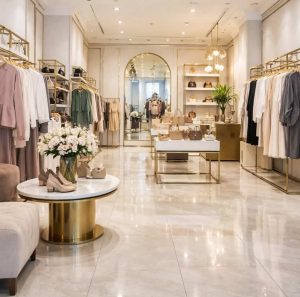 A fashion boutique lives and dies by presentation. Every rack, mirror, and light fixture sends a message about the brand. But there’s one element many owners overlook: the floor. Clean tiles, supported by professional tile and grout cleaners, may seem like a small detail, yet they quietly shape how customers see the entire space.

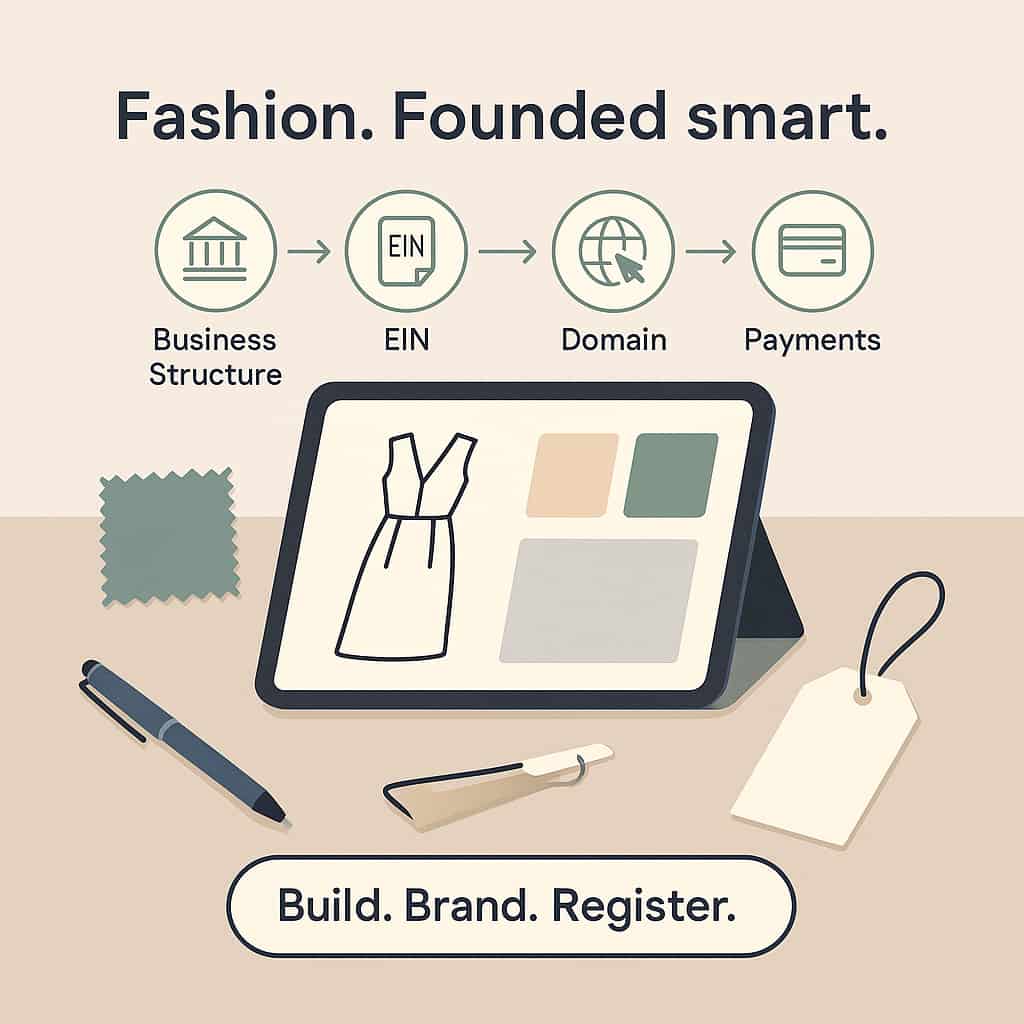
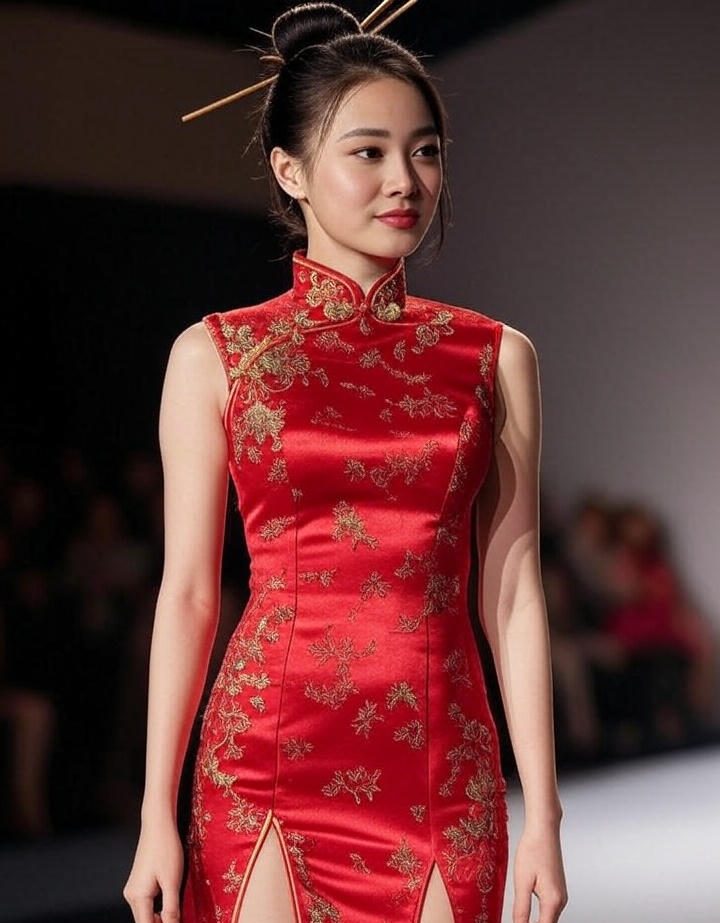
 Fashion and technology are more connected than ever, especially in modern workspaces like those found on platforms such as OPCMD, an integrated platform for Opi sites in South Korea. Opi venues in cities like Gumi, Cheongju, and beyond are seeing a shift, not just in how professionals work, but also in how they present themselves. These changes are supported by integrated digital platforms that coordinate not only logistics but also personal style and wellness services.


 Metal roofing is transforming modern architecture, influencing sustainable design and fashion aesthetics. Its sleek appearance, durability, and eco-friendly benefits have made it a symbol of contemporary innovation. Designers find inspiration in unconventional materials as industries shift towards sustainability, blending function with style.

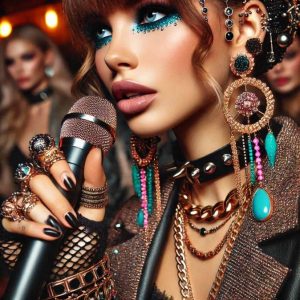 Karaoke culture in Gangnam is more than just a night of singing—it’s a dazzling showcase of personal style and aesthetics. Known for its vibrant nightlife and upscale atmosphere, Gangnam has turned karaoke rooms into hubs of creativity, where fashion trends thrive alongside musical performances. The interplay of style, ambiance, and entertainment creates a unique scene that is as much about visual expression as vocal talent.
 High-end fashion is mostly about design and uniqueness. Now enter designer cold plunge baths, elegant, visually appealing tubs that can make great statement pieces. Fashion-forward houses and wellness centers are showcasing these tubs, which are created from quality materials and with elegant designs. Fashion-conscious elite need limited-edition tubs created by brands working with designers that provide both use and visual appeal.
 A well-organized beauty routine not only saves time but enhances the entire fashion experience. A clutter-free vanity lets you focus on styling and perfecting your look. In fact, the right beauty organizer can be the key to elevating your daily beauty routine while making your space more functional and aesthetically pleasing.
 Fashion isn’t just about what we wear. It’s a reflection of our personalities, interests, and lifestyles. Similarly, vintage trailers have become more than just vehicles; they are symbols of a nostalgic, adventurous spirit. The merging of fashion and vintage trailer repair is an exciting trend that highlights creativity, sustainability, and a love for all things retro.


 In the world of fashion, where creativity meets commercial viability, the importance of a reliable and ethical workforce cannot be overstated. It’s necessary to understand the intertwining of background checks with the fabric of the fashion industry.


 Where our attention spans are likened to that of a goldfish, capturing and retaining interest is both an art and a challenge. Enter the era of Stories and Reels: transient yet