
The qipao, also known as the cheongsam, originated during the Qing Dynasty and evolved into a symbol of feminine elegance in 20th-century Shanghai. Its high neck, slim silhouette, and exquisite embroidery turned it into a cultural treasure. But what started as a traditional Chinese dress has since crossed borders, styles, and generations, reimagined and revived by fashion houses and independent designers alike.
Online boutiques across Europe are now playing a vital role in this style revival. Among them, Robe Chinoise Traditionnelle is introducing the beauty of qipao to a modern European audience. By blending classic craftsmanship with fresh, wearable designs, they are helping people reconnect with Chinese heritage while making it accessible and relevant for everyday fashion in places like Paris, Berlin, and beyond.
The Cultural Journey of the Qipao
Few garments have traveled as far as the qipao, both geographically and stylistically. Once reserved for elite Chinese women, it became a symbol of urban sophistication in 1920s and 1930s Shanghai. Film stars and socialites adopted the style, giving it global visibility.
Its transition to Western fashion started subtly. Post-war migration brought Chinese culture into the global spotlight, and designers began incorporating Eastern influences into their collections. Western interpretations of the qipao began appearing on runways, in films, and even at red carpet events.
Qipao in European Fashion Today
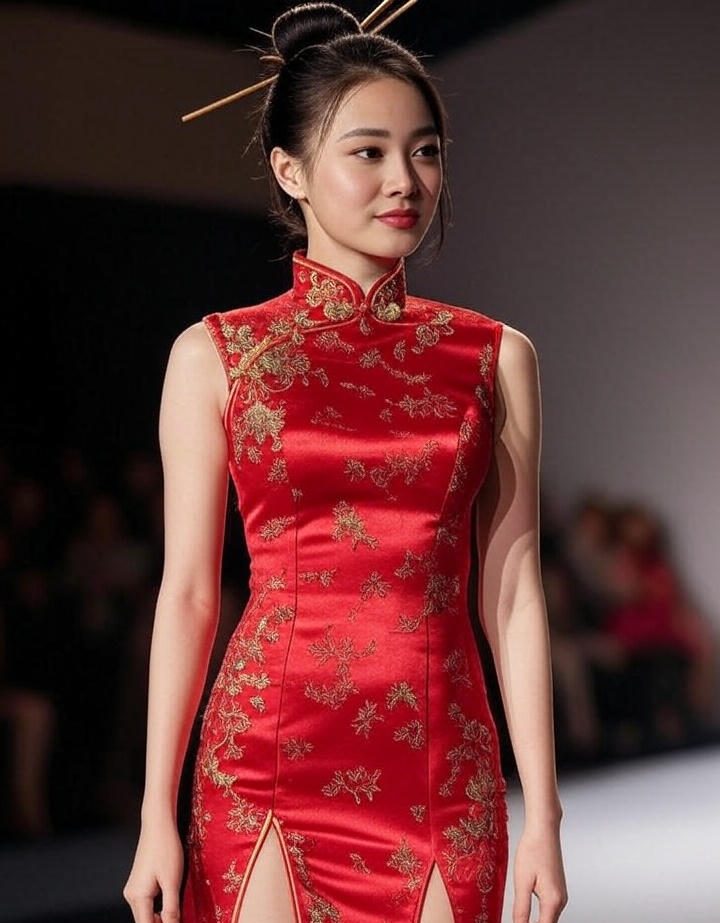
European designers have embraced the qipao for its graceful form and storytelling potential.
Traditional Chinese motifs like dragons and peonies are still loved; many contemporary versions now come in muted palettes, minimal embroidery, and modern fabrics. This blend of East and West appeals to women looking for something elegant yet unique.
Paris, in particular, has seen a rise in demand for this classic dress. Style-conscious women in France appreciate garments with meaning and heritage. The qipao checks both boxes. Whether worn at a wedding, formal event, or even dressed down for a chic city stroll, it fits right into Europe’s fashion-forward culture.
How Boutiques Like Robes Chinoises Are Changing the Game
Robes Chinoises stands out for its dedication to craftsmanship and cultural respect. Rather than offering mass-produced knockoffs, they work with designers who understand the cultural roots of the qipao. Each piece reflects a mix of tradition and modern flair.
This approach matters. Fashion is not just about looking good. It’s about expression. When someone wears a qipao from Robes Chinoises, they are celebrating both elegance and history. It’s not about the costume. It’s about confidence, identity, and honoring where fashion comes from.
Learn also about sustainability in clothing. Read also, Newest Trends in Clothing.
Modern Interpretations That Work
One of the reasons the qipao has endured is its ability to adapt. It has transformed from a high-slit dress worn with heels to a midi-length piece paired with sneakers. Velvet, lace, linen, and even jersey fabric now breathe new life into the classic silhouette.
It’s also become a voice for multicultural fashion. Asian-European designers are now using the qipao as a canvas for storytelling, mixing elements from their dual identities. This has expanded its appeal far beyond those of Chinese descent. The dress has become a bridge between cultures, worn by people of all backgrounds who value authenticity and style.
The Role of Online Fashion in Cultural Preservation
In a time when fast fashion dominates, online stores like Robes Chinoises are doing something different. They are keeping craftsmanship alive. They’re reminding us that garments can carry meaning. Their platform showcases not just dresses, but the people and traditions behind them.
This global reach is what helps the qipao stay relevant. A young woman in London can browse silk options. A fashion editor in Milan can write about its revival. A bride in Brussels can choose it for her wedding dress. All this is possible because of the visibility and care offered by niche fashion platforms.
The Future of the Qipao in Global Fashion
As fashion continues to embrace heritage pieces, the qipao is positioned to shine even more. Its rich background, adaptability, and refined beauty make it timeless. Whether in satin or cotton, with high slits or modest hems, the qipao speaks a visual language that doesn’t need translation.
The global rise of interest in cultural fashion is no passing trend. The qipao isn’t just surviving. It’s evolving and being embraced by a new generation that values meaning, style, and the stories clothes tell.
Conclusion
From Beijing’s old alleys to Paris’s fashion houses, the qipao has come a long way. It stands as a reminder that fashion can be both personal and universal. And thanks to passionate curators like Robes Chinoises, its story continues, one elegant stitch at a time.
 Fashion and technology are more connected than ever, especially in modern workspaces like those found on platforms such as OPCMD, an integrated platform for Opi sites in South Korea. Opi venues in cities like Gumi, Cheongju, and beyond are seeing a shift, not just in how professionals work, but also in how they present themselves. These changes are supported by integrated digital platforms that coordinate not only logistics but also personal style and wellness services.