
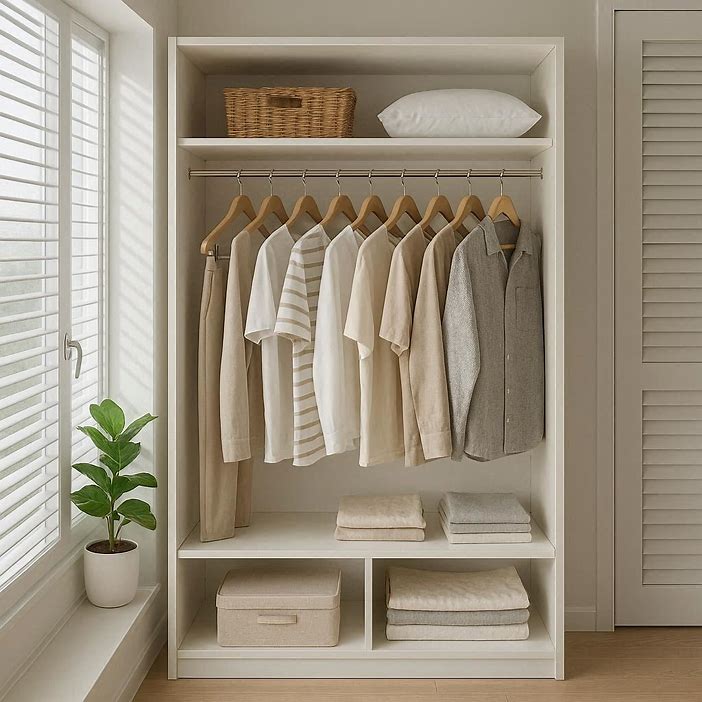
Studies show that cluttered indoor spaces can increase pest activity by offering shelter and food sources, as noted by the National Pest Management Association (NPMA). While most people focus on kitchens and bathrooms, closets are often overlooked. Yet, the way clothing and accessories are stored can quietly invite unwanted pests, including cockroaches, into the home.
Closet hygiene has become an important extension of personal care and home maintenance. Fashion lovers invest in fabrics, shoes, and accessories, but storage habits often lag behind. Poor organization, moisture buildup, and hidden food residues can create conditions that lead to pest infestations. In severe cases, homeowners may even find themselves seeking professional help, similar to consulting a bed bug exterminator Hamburg NY service, highlighting how closely lifestyle and hygiene are connected.
Top Closet Habits That May Attract Cockroaches
1. Storing Dirty Clothes for Too Long
Worn clothes often carry sweat, body oils, and sometimes food particles. These residues can attract pests, especially cockroaches, which are known to feed on organic matter. Research from the University of Kentucky Entomology Department explains that cockroaches thrive in environments where food sources are easily accessible, even in small amounts.
Leaving gym clothes or worn outfits in piles inside the closet creates a hidden feeding ground. Over time, this habit increases the risk of infestation without immediate visible signs.
2. Keeping Cardboard Boxes in Wardrobes
Cardboard is a common storage solution, but it is also highly attractive to cockroaches. These insects can feed on the glue and fibers found in cardboard materials. Data from the Environmental Protection Agency (EPA) indicates that porous materials like cardboard provide both food and shelter for pests.
Replacing cardboard boxes with plastic, sealed containers can significantly reduce this risk while also improving overall closet organization.
3. Ignoring Moisture and Humidity
Closets often lack ventilation, making them prone to humidity buildup. Damp conditions create an ideal environment for cockroaches, which prefer warm and moist spaces. Experts from the Centers for Disease Control and Prevention (CDC) note that moisture control is essential in preventing pest infestations. Learning how to properly clean and store winter clothes can help reduce trapped moisture and keep fabrics fresh, lowering the risk of attracting pests.
Clothes stored while slightly damp, or closets located near bathrooms, can worsen the issue. Over time, this environment supports both mold growth and insect activity.
4. Storing Shoes Without Cleaning Them
Shoes carry dirt, food particles, and bacteria from outside environments. When placed directly into closets without cleaning, they introduce contaminants that may attract pests. A report from the American Cleaning Institute highlights how outdoor debris can contribute to indoor hygiene issues.
Regularly wiping or airing out shoes before storage helps maintain cleanliness and reduces the chance of attracting insects.
5. Keeping Snacks or Forgotten Items in Bags
Handbags, backpacks, and tote bags often contain forgotten snacks, wrappers, or crumbs. These small food remnants can quickly become a food source for cockroaches. Pest control studies published by the NPMA emphasize that even minimal food exposure can sustain cockroach populations.
Checking bags before storing them in closets is a simple habit that can prevent a larger problem later.
6. Overcrowding the Closet
Overpacked closets restrict airflow and create dark, undisturbed areas where pests can hide. Cockroaches prefer tight spaces where they feel protected. Research from the University of California Integrated Pest Management Program shows that clutter increases the number of hiding spots for pests.
Maintaining space between clothing items allows better air circulation and makes it easier to spot early signs of infestation.
7. Neglecting Regular Cleaning
Closets are often cleaned less frequently than other parts of the home. Dust, lint, and debris accumulate over time, creating a favorable environment for pests. Cleaning guidelines from the American House Cleaning Association recommend periodic deep cleaning of storage spaces to maintain hygiene.
Vacuuming floors, wiping shelves, and organizing items regularly can significantly reduce pest risks.
Why Cockroaches Target Closets
Cockroaches are highly adaptable and can survive in a variety of environments. Closets offer three essential elements they need, shelter, warmth, and occasional food sources. Unlike kitchens, closets are rarely disturbed, making them an ideal hiding place.
Scientific observations from the World Health Organization (WHO) indicate that cockroaches can spread bacteria and allergens, posing health risks beyond simple inconvenience. This connection highlights why prevention is more effective than waiting for visible infestations.
How Fashion Care and Hygiene Intersect
Clothing care is often associated with preserving fabric quality, but it also plays a role in maintaining a clean living environment. Clean, properly stored garments reduce the chances of pest attraction. Fabric care experts from the Textile Research Journal note that regular washing and proper drying help eliminate organic residues that pests feed on.
Thoughtful storage choices, such as breathable garment bags and sealed containers, support both style preservation and hygiene. These small adjustments create a cleaner, more controlled environment within the closet.
When Professional Help Becomes Necessary
Despite preventive efforts, infestations can still occur. In such cases, professional pest control services become essential. While cockroach issues differ from bed bug infestations, both require specialized treatment and thorough inspection.
Homeowners often turn to local pest control experts, including those specializing in bed bug removal in Hamburg, New York, or similar services in their area, when infestations spread beyond simple DIY solutions. Professional intervention ensures that hidden colonies are addressed effectively.
Practical Steps to Keep Your Closet Pest-Free
- Wash clothes before storing them, especially after outdoor use.
- Use sealed plastic bins instead of cardboard boxes.
- Install moisture absorbers or dehumidifiers in closets.
- Clean shoes before placing them inside.
- Check bags and pockets for food remnants.
- Declutter regularly to improve airflow.
- Schedule routine cleaning of closet spaces.
Conclusion
Closets reflect personal style, but they also reveal habits that impact home hygiene. Small oversights, such as storing damp clothes or ignoring clutter, can quietly attract pests over time. These risks show how closely fashion care and cleanliness are linked.
By maintaining proper storage practices and staying mindful of hygiene, homeowners can protect both their wardrobes and their living spaces. In situations where infestations escalate, seeking help from professionals, including specialists in bed bug treatment services in Hamburg NY or nearby areas, becomes a practical step toward restoring a safe environment. Style and hygiene, when aligned, create not just an organized closet but a healthier home overall.
