Showing 3 Result(s)
Fashion

The Hidden Mathematics Behind Fashion Design and Pattern Making

fashion designer drafting garment patterns with geometric tools

Every garment you see on a runway or in a store has a secret partner: math. According to the Smithsonian Institution, geometric principles and measurement systems play a huge role in fashion design, shaping the curves and lines that make clothes fit beautifully.

Fashion may seem like pure flair, with sketches and colors flying in every direction, but there is a backbone of numbers and logic behind the flair. Designers juggle shapes, angles, and proportions like an architect, and students often overlook how deeply math weaves into this creative tapestry. That gap is one reason why an AP calc math tutor Wilmington, NC can be a game changer for anyone thinking the arts are all pencil sketches and mood boards. If you want to branch into digital fashion design or 3D garment modeling, analytical thinking is a secret superpower.

I’ll confess, when I first learned how much geometry was involved in pattern making, I was floored. I thought math ended when I graduated high school. But then I met Rosa, a pattern maker who treats triangles like old friends. She told me, “I’m not afraid of a slope or angle anymore, because they tell me how a sleeve will sit or how a neckline will curve.” That sentiment is common among pros who merge numbers with aesthetics.

Geometry Shapes Every Seam

Step into any fashion school classroom, and you’ll hear the word “geometry” tossed around like thread. Why? Because every pattern starts with shapes. A bodice piece can be a trapezoid. A skirt panel might be a sector of a circle. If you change an angle by a few degrees, the fit changes. Little wonder that many successful fashion designers are strong with spatial reasoning.

Geometry helps with symmetry, too. Symmetry makes clothes look balanced and pleasing. Consider a dress with mirrored panels on the left and right side. The designer must use mirror-image drafting on paper or software, the same way an engineer drafts a bridge. Measurement systems are just as important. A half-inch here and there can mean the difference between “fits great” and “awkward.”

Proportions, Ratios, and the Human Body

Designers are obsessed with proportions. A ratio can make a garment look elegant or clumsy. Think about the golden ratio, a concept used in art and architecture for ages. Some fashion designers use it to decide where the waistline should sit or how long a tunic should fall. It sounds fancy, but once you play with ratios, it becomes almost intuitive. And once technology steps in, these calculations ensure that clothes fit diverse body types.

Many students think math stops after basic algebra, but advanced math like calculus can deepen your problem-solving skills. For example, when working with curves on a bodice or mapping fabric drape over a 3D form, designers and engineers use concepts similar to calculus to predict how materials behave. This is where AP calculus tutoring in Wilmington becomes relevant for creative minds who might otherwise shy away from numbers. Those who master these skills often have an edge in tech-forward fashion careers.

Fashion Meets Technology

Technology is transforming fashion at breakneck speed. Software like CLO 3D and Optitex allows designers to draft, simulate, and tweak garments on digital avatars. Math makes those simulations believable. Angles, grids, calculations about stretch and tension, and mapping flat patterns into three dimensions all rely on algorithms and equations. In fact, innovations in fashion education have embraced this shift, with new approaches in fashion curriculum that incorporate computational design and accessibility in learning. In a way, designers are digital sculptors at heart.

I once sat in on a workshop where a digital fashion student used parametric design tools to generate hundreds of pattern variations in minutes. Parametric design, which uses rules and equations to define shapes, would be bewildering without strong math foundations. Those young creators were like composers, adjusting sliders instead of notes, but the logic behind it was pure math.

Textile Engineering and Beyond

Textile engineers, another group often overlooked in fashion conversations, rely heavily on math to develop new fabrics. They calculate tensile strength, elasticity, thermal properties, and more. If you have ever worn a shirt that “just feels right,” thank the math that went into its fabric blend and weave pattern. Those engineers are like material scientists and, yes, they hit the calculus and statistics books hard.

Because math skills open doors, careers in fashion are more versatile than ever. You can be a traditional designer, a digital pattern maker, a textile scientist, or even a data analyst studying consumer behavior. All these roles benefit from strong math fluency. So if the thought of numbers once made you uneasy, think of it like learning a new tool, like a seam ripper or a drafting ruler.

A Broader Skill Set Expands Your Path

When I talk with students who are drawn to creative industries, the same concern comes up: “I’m not a math person.” But that mindset closes doors. Embracing math doesn’t take away creativity; it empowers it. You suddenly understand proportions in a deeper way. You can automate repetitive tasks. You can communicate confidently with engineers and technologists. You become a more complete creator.

At the end of the day, fashion designers are problem solvers. They juggle aesthetics, fit, materials, and cost. Strong analytical skills help them make better decisions. If you are curious about sharpening those skills, whether through classes or a focused AP calculus tutor in Wilmington, you might find your creative journey becoming richer and more surprising than you expected.

So the next time you admire a stunning dress or innovative garment, remember math played a quiet but powerful role. It’s the hidden thread stitching creativity and logic together.

Fashion

How Clean Tiles Elevate the Look of Fashion Boutiques

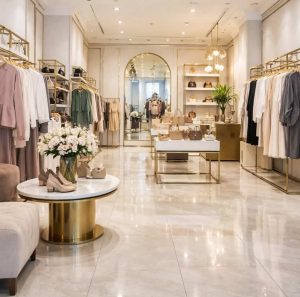
A fashion boutique lives and dies by presentation. Every rack, mirror, and light fixture sends a message about the brand. But there’s one element many owners overlook: the floor. Clean tiles, supported by professional tile and grout cleaners, may seem like a small detail, yet they quietly shape how customers see the entire space.

Tiles are often the first physical surface customers interact with. They walk across them, pause on them, and stand on them while trying on shoes or admiring an outfit. If the tiles are spotless and well-maintained, the boutique feels polished and intentional. If they’re stained or dull, the whole store can feel neglected, no matter how beautiful the clothing is.

First Impressions Start at Ground Level

When a customer steps into a boutique, they quickly scan the space. Within seconds, they form an opinion. Clean tiles reflect light better. They make the store feel brighter and more open. Even neutral-colored tiles can look elegant when free of scuffs, dust, and grime.
On the other hand, dirty grout lines or visible footprints can be distracting. Shoppers may not consciously think, “The tiles are dirty.” Instead, they simply feel that something is off. That subtle discomfort can affect how long they stay and how they perceive the brand. Fashion is about detail. So is retail design. Clean floors reinforce the idea that the boutique pays attention to every element.

Enhancing the Visual Appeal of Merchandise

Tiles act as a backdrop. Just like a runway or a photo studio set, the floor supports what’s on display. When tiles are clean, they enhance the color and texture of garments. Imagine a boutique with glossy white tiles. If they’re spotless, they amplify natural and artificial light, making fabrics appear richer and more vibrant. Dark tiles, when clean, create contrast that can make bright clothing pop. But if either surface is covered in dust or streaks, the visual effect weakens. Customers often look down while browsing racks or checking outfits in mirrors. Clean tiles help maintain a cohesive look from top to bottom. That consistency strengthens the boutique’s visual identity.

Supporting Brand Image and Positioning

Boutiques often aim to communicate exclusivity, creativity, or luxury. Cleanliness plays a central role in delivering that message. High-end brands invest heavily in store design. Think about the polished floors often seen in stores like Chanel or Gucci. Their retail spaces feel refined because every surface is immaculate. While an independent boutique may not have the same budget, the principle is the same. Clean tiles signal professionalism and care.
If a boutique markets itself as eco-conscious or minimalist, clean, natural stone or matte ceramic tiles can reinforce that identity. But they must be well-maintained. Dirt and stains quickly undermine the intended aesthetic. Brand trust is fragile. Shoppers who notice neglected floors may wonder what else is overlooked, from garment handling to overall hygiene. Clean tiles help remove that doubt.

Creating a Comfortable Shopping Environment

Comfort influences purchasing decisions more than many realize. A clean floor contributes to a sense of safety and order. Customers feel more at ease trying on clothes or walking around when the environment looks hygienic.
This is especially important in smaller boutiques with an intimate layout. In tight spaces, floors are more visible. Smudges and spills stand out. Clean tiles reduce visual noise and help customers focus on the clothes. There’s also a practical side. Regular cleaning prevents buildup that can make tiles slippery.

Highlighting Tile Design as Part of the Decor

Many boutiques choose distinctive tile designs to set themselves apart. Patterned encaustic tiles, marble-look porcelain, or sleek concrete-style finishes all add character. When these tiles are clean, their design becomes a feature rather than a background. Patterns look crisp. Textures become more defined. The floor can even serve as a subtle focal point that enhances the boutique’s theme.  But decorative tiles demand consistent care. Grout lines in patterned floors can darken over time. Marble-look tiles can lose their shine if not properly cleaned. Routine maintenance protects the investment and preserves the intended look.

Reinforcing Lighting and Space Perception

Lighting and flooring work together. Clean tiles reflect both natural sunlight and artificial lighting fixtures. This reflection increases brightness without additional energy use. In smaller boutiques, this matters. Clean, light-colored tiles can make a compact space feel larger. Dark, glossy tiles can add drama when polished to a shine. Either way, the key is cleanliness. Dull or dirty surfaces absorb light rather than reflect it, making the store appear dim. A brighter store encourages customers to explore. They can see fabric details clearly. They can assess colors accurately. That clarity supports confident purchasing decisions.

Encouraging Staff Pride and Routine Care

The condition of the floor also affects employees. Staff members who work in a clean, well-kept space are more likely to take pride in their environment. When tiles are consistently maintained, cleanliness becomes part of the store culture.
Regular sweeping, mopping, and professional deep cleaning keep tiles in good shape. Addressing stains immediately prevents long-term damage. And scheduling periodic grout cleaning maintains a fresh look.
It’s not about constant scrubbing. It’s about consistency. Small daily habits protect the overall aesthetic.

Practical Tips for Boutique Owners

To keep tiles elevating rather than diminishing the look of a boutique, owners can take a few simple steps:
  • Choose cleaning products that match the tile material. Harsh chemicals can damage finishes.
  • Use entrance mats to reduce dirt tracked in from outside.
  • Inspect grout lines regularly and clean them before discoloration sets in.
  • Schedule professional cleaning for high-traffic areas.
These steps don’t require a large budget. They require attention and planning.

Why It Matters More Than You Think

Fashion boutiques sell more than clothing. They sell experience, mood, and identity. Every design choice contributes to that story. Clean tiles support the narrative by creating a refined, welcoming base for everything else. Customers may not directly compliment the floor. But they will notice how the space feels. And often, that feeling begins at ground level.
When tiles are clean, the boutique looks brighter, more organized, and more intentional. The clothes stand out. The brand message feels stronger. And the shopping experience becomes smoother and more enjoyable. In retail, details shape perception. Clean tiles are one of those details that quietly do a lot of work.
Fashion

Textbook PDF Accessibility Inspires New Approaches in Fashion Curriculum

Fashion student sketches designs using tablet with digital textbook PDF in studio.

The ability to provide students with a textbook PDF has positively impacted fashion education. Students and teachers can now access virtually limitless resources, including vintage design textbooks and up-to-the-minute trend analyses.

This ability to provide limitless resources gives fashion programs the opportunity to broaden their courses by allowing students to explore a wide range of materials, which broadens students’ design thinking.

Digital availability of design materials means that even new fashion schools can provide students with valuable materials that were once only available to top-tier schools.

Combining Practical Design with Digital Tools

Fashion design curricula are increasingly blended with theories and put into practice. Instructors can assign students to read specific chapters of their textbooks or specific case studies and then assign projects in the studio that require the students to practice the principles of design.

Students’ ability to access design materials, style guides, and fashion history fosters a hands-on and educated approach to garment and design creation. This practice is especially important for the development of complex materials and helps build students’ self-assurance in making correct design choices.

Fostering Collaborative Learning

Digital textbooks remove barriers that encourage collaboration across disciplines. With their specialized digital resources, fashion students can identify intersections with technology, marketing, and sustainability.

For instance, a digital textbook examining innovations in textiles can stimulate a designer and a materials engineer to collaborate on developing sustainable textiles. Digital textbooks have the potential to create a more encompassing educational experience by removing barriers to knowledge.

Thus, students gain mastery over design education and obtain an understanding of the business, moral, and technical dimensions of the fashion industry.


ALSO READ: 5 Stunning Chandelier Designs Inspired by Fashion That Elevate Any Space


Facilitating Global Learning Communities

Digital textbooks enable students and educators to collaborate globally. Students from different parts of the world can engage in meaningful interactions and experience cultural exchanges through online libraries providing access to the same quality resources.

Students in fashion programs can conduct virtual collaborative design workshops to gain insight into different cultures and international market offerings. The removal of geographical borders allows resources to be made available to remote aspirational designers, enabling them to compete globally.

Facilitating Self-Directed Learning

Lastly, digital textbooks foster self-directed learning, empowering students to study subjects in depth and take initiative to go beyond the traditional instructional classroom walls to learn about their self-identified, niche areas of interest.

Such independence fosters initiative, aligning students to the contemporary self-driven characteristics of the fast-evolving fashion industry. Textbook digital resource pdfs are transforming the fashion curriculum alongside teachers and students, making it adaptive, progressive, and inclusive.

𐌢