
Water finds fabric faster than most people expect. Cotton, wool, silk, and leather are all porous by nature, which means they draw in moisture within minutes of contact rather than hours. Once a pipe bursts, a roof leaks, or floodwater enters a closet, dyed textiles can bleed, leather can stiffen, and natural fibers can begin to weaken almost immediately.
This is exactly why speed matters so much in the first few hours after an incident. Homeowners and business owners dealing with a soaked closet, storage room, or retail floor benefit from treating the situation as a race against absorption, not a chore to handle later. Bringing in urgent water removal for homes and businesses during that early window often determines whether garments can be saved or whether the damage becomes permanent. The longer moisture sits against fabric, the more it spreads through fibers, dyes, and stitching.
Why Textiles Are So Vulnerable
Fabric behaves like a sponge. Insurcomm, a restoration and remediation firm, notes that porous, organic materials such as fabric and carpet padding give mold the nutrients it needs to establish itself quickly once they become damp. Clothing stored in closets often sits close together, which slows air movement and traps humidity against every layer.
Leather presents its own set of problems. According to research from Fibrenew, a leather repair and restoration company, water itself does not always ruin leather right away, since natural oils in the material create a temporary protective barrier. But once those oils are overwhelmed and the leather becomes fully saturated, stiffening, discoloration, and cracking can follow as the material dries unevenly. Steel Horse Leather, a leather goods maker, adds that the severity of the outcome depends heavily on how much water was absorbed and how long the item sat before anyone intervened.
Step-by-Step: Protecting Clothing and Textiles After Water Intrusion
1. Separate Wet Items Immediately
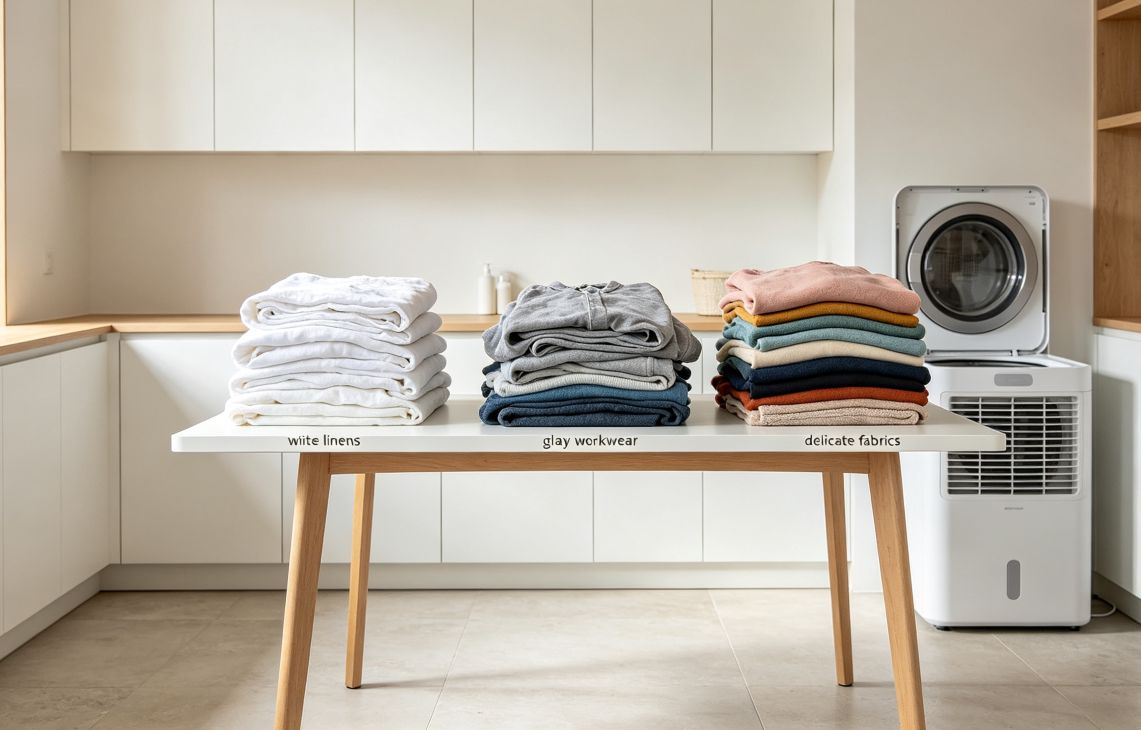
Move any wet clothing, linens, or accessories away from dry storage right away. Dye transfer happens quickly when a soaked garment touches a dry one, and colors can bleed onto neighboring fabric within a short period of contact. Sorting by fiber type, color, and material helps prevent one damaged item from spreading the problem to an entire wardrobe or inventory.
2. Prioritize Based on Material
Not everything needs the same response. Cotton and synthetic blends generally tolerate a delay of a few hours better than silk, suede, or leather. Items with structural padding, such as coats or bags, hold moisture longer than flat woven fabric and deserve earlier attention.
3. Air Out and Begin Drying
Guidance published by AAA recommends removing wet fabrics and drying them as soon as possible, and hanging furs and leather goods separately so they dry at room temperature rather than piled together. Fans and dehumidifiers help move air across surfaces, which shortens drying time considerably compared with letting items sit in a closed room.
- Hang garments individually with space between each piece
- Avoid direct heat sources like hair dryers on leather or suede
- Use fans to keep air circulating through closets and storage rooms
- Prop open drawers, cabinet doors, and luggage to expose hidden moisture
4. Watch the Clock for Mold Risk
Timing matters more than most people realize. Findings from restoration researchers cited by Insurcomm indicate that mold growth typically begins within 24 to 48 hours of water exposure, with visible growth often appearing between 48 and 72 hours. Reports from Midwest Restoration describe a similar pattern, noting that once humidity stays elevated without proper drying, mold colonies can spread aggressively through damp fabric and other absorbent materials. This makes the first two days the most important window for assessment and action.
5. Assess Before Deciding What to Keep
Once items are dry, examine them for lingering odor, stiffness, discoloration, or a musty smell that suggests moisture remains trapped in fibers or seams. Leather that has hardened may still respond to conditioning, while fabric with visible mold spotting or a persistent odor after drying often needs professional cleaning rather than a simple wash at home. Lingering dampness in a closet does not just threaten fabric either. It can also explain why a damp closet might need a cockroach exterminator, since roaches are drawn to the same warm, moist, dark conditions that encourage mold. A thorough closet check after water intrusion should include both.
Looking Ahead
Textile collections, whether a personal wardrobe or a business inventory, are rarely designed with sudden water exposure in mind. Building a basic response plan before an emergency happens, knowing which items to move first, having fans and space ready for air drying, and understanding when to call in professional cleaning or restoration support, can make the difference between a temporary setback and a permanent loss. Acting within the first hours after water intrusion remains the single most reliable way to protect fabric, leather, and dyed materials from lasting harm.